Choosing the Right Tires for Western New York Winters (Along with Every Other Season)
January 23, 2026
The first time your car slides on an early winter morning, your stomach drops.
It might be on I-90 near Cheektowaga. It might be a side street in Rochester before the plows are out. Either way, that brief loss of control is usually when Western New York drivers start asking the same question:
Do I have the right tires for this?
In Western New York, tire choice isn’t a technical detail, it’s an important safety decision. Lake-effect snow, rapid temperature swings, road salt, and potholes create conditions that demand more from your tires than most parts of the country.
Here’s how to make a smart, confident decision for winter, and every other season, without panic or pressure, based on decades of local experience helping Buffalo, Rochester, and Syracuse drivers stay safe on the road.
Why Western New York Is Harder on Tires Than You Think
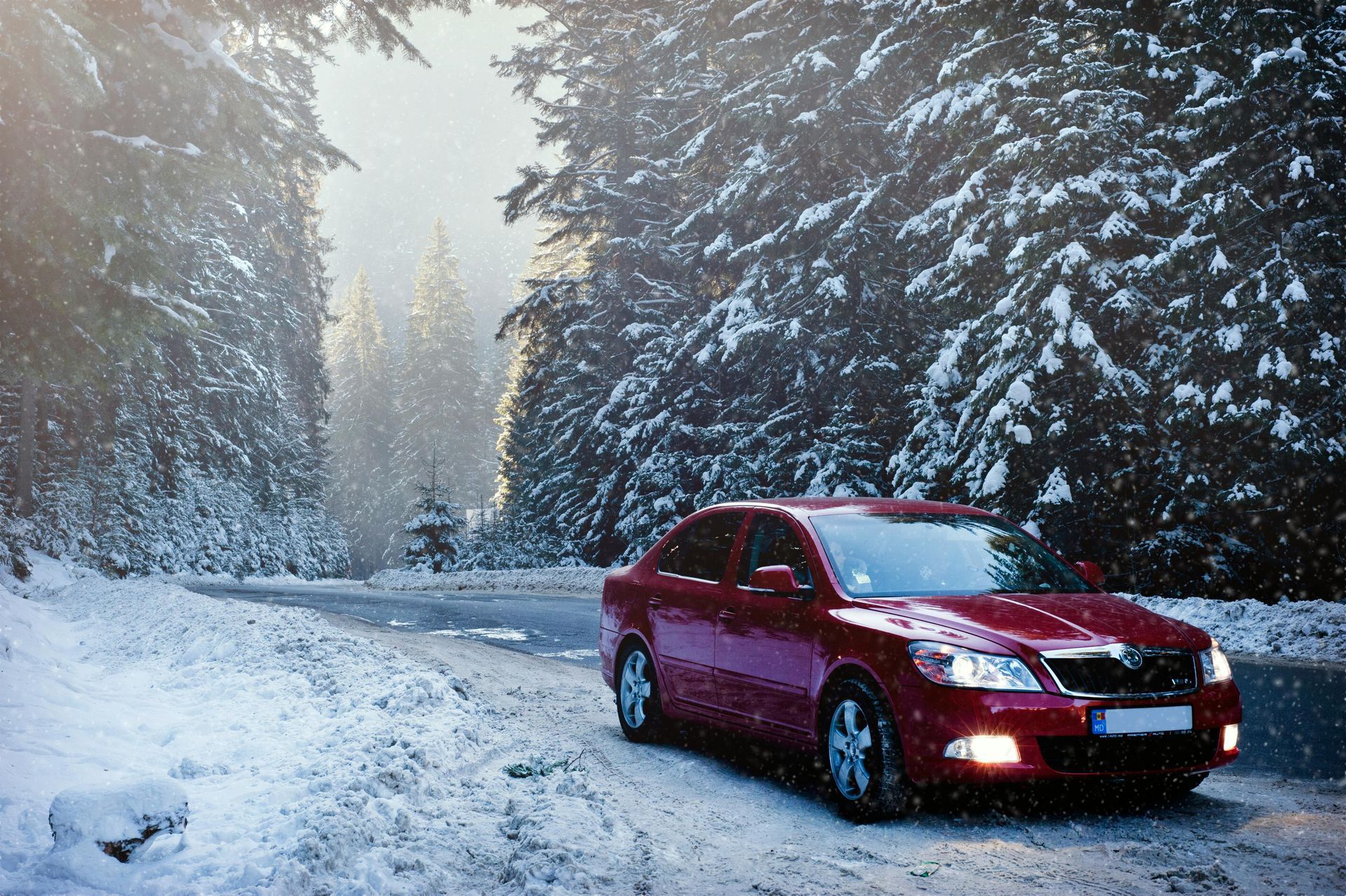
Buffalo averages over 95 inches of snow per year. Syracuse often exceeds 120 inches. Rochester sees less total snowfall, but more frequent freeze-thaw cycles that turn roads slick and unpredictable.
Lake-effect snow is different from typical snowfall. It’s heavier, wetter, and often arrives fast, sometimes dumping inches in under an hour. Roads can go from clear to treacherous between exits.
Add in:
- Frequent temperatures hovering just above and below freezing
- Heavy road salt exposure
- Potholes and uneven pavement
And suddenly, “good enough” tires aren’t good enough anymore.
Understanding Tire Types: What’s the Difference?
All-Season Tires
All-season tires come standard on most vehicles. They’re designed to perform acceptably in a wide range of conditions but not excel in extremes.
What they’re good at:
- Mild winters
- Spring, summer, and fall driving
- Budget-friendly convenience
Where they fall short:
- Cold temperatures below 45°F
- Packed snow and ice
- Slush and sudden lake-effect storms
In our experience fitting Western New York vehicles, all-season tires often become the weak link long before drivers realize it.
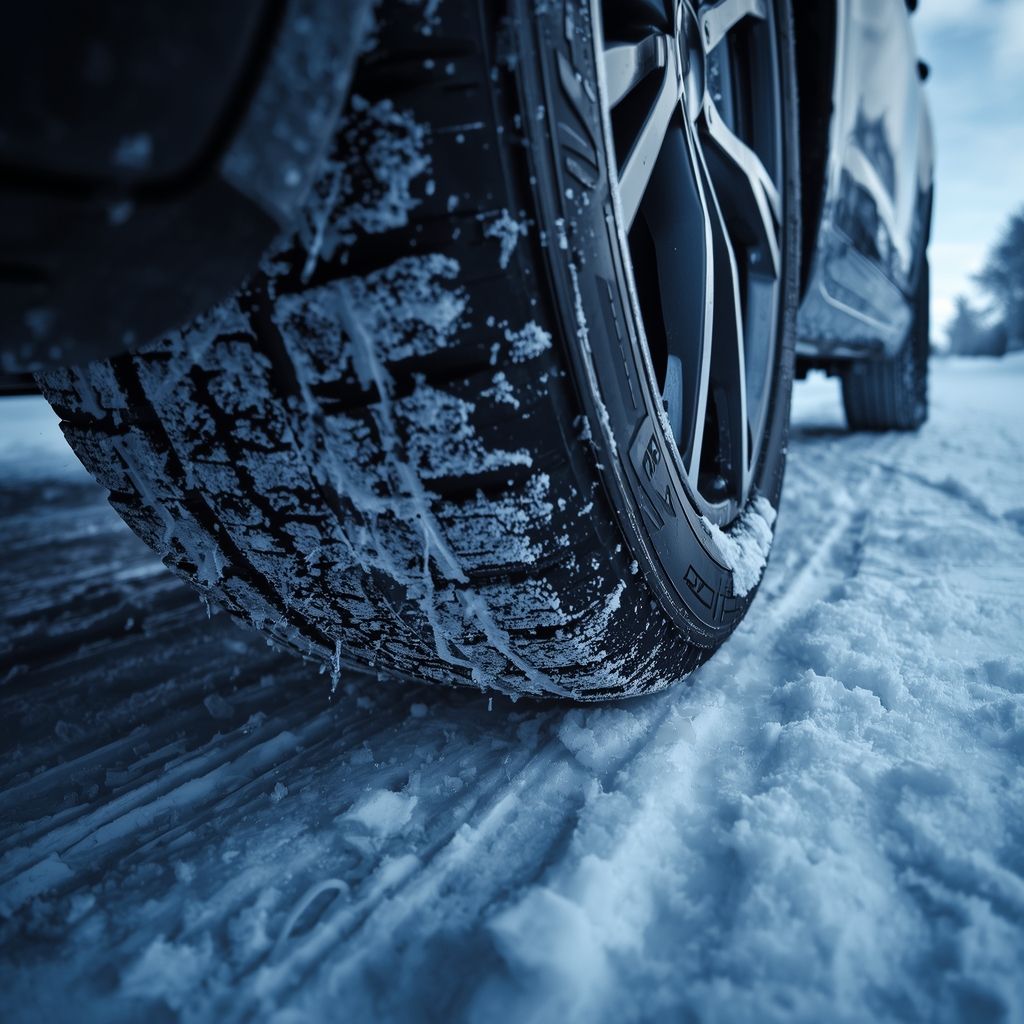
Winter Tires (Often Called Snow Tires)
“Snow tires” and “winter tires” are the same thing and they’re built specifically for cold weather.
What makes them different:
- Rubber compounds that stay flexible in freezing temperatures
- Aggressive tread patterns that grip snow and slush
- Thousands of tiny sipes that bite into ice
Once temperatures drop below 45°F, winter tires significantly outperform all-seasons, even on dry pavement.
A Cheektowaga customer came in last November after sliding through an intersection on worn all-seasons. After switching to winter tires, they told us the difference felt “night and day” on the same roads.
All-Weather Tires: The Middle Ground
All-weather tires are a newer category. They carry the Three-Peak Mountain Snowflake (3PMSF) rating, meaning they meet winter traction standards, but they can stay on year-round.
Best for drivers who:
- Want one set of tires
- Drive mostly plowed roads
- Prefer convenience over maximum winter grip
They’re a compromise, not a replacement, for dedicated winter tires, but for some Western New York drivers, they make practical sense.
Summer Tires
Summer tires are designed for warm weather performance and should never be used in winter conditions.
Even light snow or cold temperatures can drastically reduce traction.
The Science Behind Winter Tires (Without the Jargon)
Winter tires work because of two main factors:
- Rubber Chemistry
Winter compounds stay soft in cold temperatures. All-season rubber hardens as it gets colder, reducing grip. - Tread Design
Deeper grooves and sipes channel snow, slush, and water away from the tire, creating friction instead of sliding.
That’s why winter tires help you stop, turn, and accelerate, not just “go.”
The 45°F Rule: When All-Season Tires Stop Performing
Many drivers wait for the first snowfall to think about tire changes. That’s usually too late.
Once temperatures consistently dip below 45°F, all-season tires begin losing effectiveness, even on dry roads.
In Western New York, that temperature shift often happens in late October or early November, well before major snowfall.
Tread Depth Reality Check: Are Your Tires Already Worn Out?
Tread depth matters more in winter than any other season.
The Penny Test
- Insert a penny head-first into the tread
- If you can see all of Lincoln’s head, your tires are likely worn
The Quarter Test (Better for Winter)
- Insert a quarter
- If the tread doesn’t reach Washington’s head, winter performance will be compromised
For winter driving, we typically recommend at least 6/32" of tread depth.
AWD and 4WD Myths: Tires Still Matter
All-wheel drive helps you go.
It does not help you stop.
We regularly see AWD SUVs slide through intersections because they’re running worn or inappropriate tires. Traction starts and ends where rubber meets the road.
Studded Tires in New York: Are They Legal?
Studded tires are legal in New York State from October 16 through April 30.
They can make sense for:
- Rural routes
- Steep hills
- Frequent ice exposure
For most city and suburban drivers, modern winter tires provide excellent grip without studs.
Matching Tires to Your Vehicle Type
- Sedans: Winter tires dramatically improve stopping distance and control
- SUVs/Crossovers: Extra weight helps, but proper tires are still essential
- Trucks: Rear traction improves significantly with winter tires
- AWD Vehicles: Benefit just as much, if not more, from winter-specific rubber
There’s no one-size-fits-all answer, which is why vehicle type and driving habits matter.
When Should You Switch Your Tires?
In Western New York, we typically recommend switching:
- Late October to mid-November
- Before lake-effect snow becomes consistent
- Before appointment availability tightens
Waiting until the first storm often means longer waits and limited inventory.
Tire Storage: What to Do with Your Off-Season Set
If you don’t have space at home, tire storage programs keep your off-season set:
- Clean
- Properly stored
- Ready for the next swap
It also extends tire life by protecting them from temperature swings and moisture.
Cost Comparison: Tires vs. Accidents
A typical winter tire investment:
- Tires, mounting, and balancing
- Often comparable to an insurance deductible
An accident costs more than money, time, stress, and safety.
In our experience, winter tires often pay for themselves by preventing just one close call.
How Long Do Winter Tires Last?
With proper rotation and storage:
- Winter tires typically last 3–5 seasons
- Mileage depends on driving habits and conditions
Running them only during cold months preserves tread and value.
Used Tires: When They Make Sense (And When They Don’t)
Used winter tires can work if:
- Tread depth is sufficient
- Rubber isn’t hardened from age
- Tire history is known
They don’t make sense when safety or longevity is compromised. Honest evaluation matters.
Why Western New York Drivers Trust Dunn Tire
For decades, Dunn Tire has helped local drivers navigate Western New York winters with confidence, not pressure.
What sets us apart:
- Certified technicians who explain options in plain English
- Honest assessments of what you need
- Extensive inventory across all tire categories
- Locations throughout Buffalo, Rochester, Syracuse, and surrounding communities
- Tire storage and seasonal swap services
- Monday–Saturday availability
We’ll look at your vehicle, driving habits, and budget, and recommend what makes sense for you.
Get Peace of Mind Before the First Snowfall
If you’re questioning whether your current tires are ready, or want expert guidance before winter hits, we’re here to help.
Stop by any Dunn Tire location for a free tire consultation.
No pressure. Just honest advice from people who drive these roads too.
Because in Western New York, the right tires don’t just make winter easier, they make it safer.