Warning Light Just Came On? Here's What Western New York Drivers Should Do First
March 9, 2026
Your warning light just came on. Your heart’s racing. What now?
Take a breath. Most warning lights don’t mean your car is about to explode, but some do signal “stop driving right now.” The key is knowing what to do in the first minute, and when to get help fast.
Here’s a calm, step-by-step plan Western New York drivers can follow immediately, whether you’re in your driveway in Buffalo, cruising the Thruway near Rochester, or headed through lake-effect snow outside Syracuse.
First 60 seconds: what to do immediately
- Look at the light, not your fear.
Note the color (red or yellow/orange) and whether it’s flashing or steady. - Check how the car feels.
Ask yourself:
- Is it driving normally?
- Any strange sounds?
- Any shaking, smoke, or strong smells?
- Make a quick safety decision.
- Red light or flashing light + the car feels “wrong” → prepare to pull over safely.
- Yellow/orange steady light and car feels normal → keep driving carefully to a safe spot or service location.
- Don’t panic-brake. Don’t ignore.
Both mistakes can make things worse.
If you’re unsure, treat it like serious until proven otherwise. Better to be safe for five minutes than sorry for five weeks.
Flashing vs. steady lights: the critical difference
Flashing lights = urgent.
A flashing check engine light, for example, usually means a misfire that can damage the catalytic converter fast. That’s a “stop soon” scenario.
Steady lights = caution.
A steady light can still be important, but it often means you can drive a short distance to get diagnostics.
Rule of thumb:
- Flashing → reduce speed, avoid hard acceleration, pull over when safe.
- Steady → drive gently and get checked the same day.
Red vs. yellow lights: how urgent is it?
Red warning lights usually mean “stop driving.”
Examples:
- Oil pressure
- Engine temperature/overheating
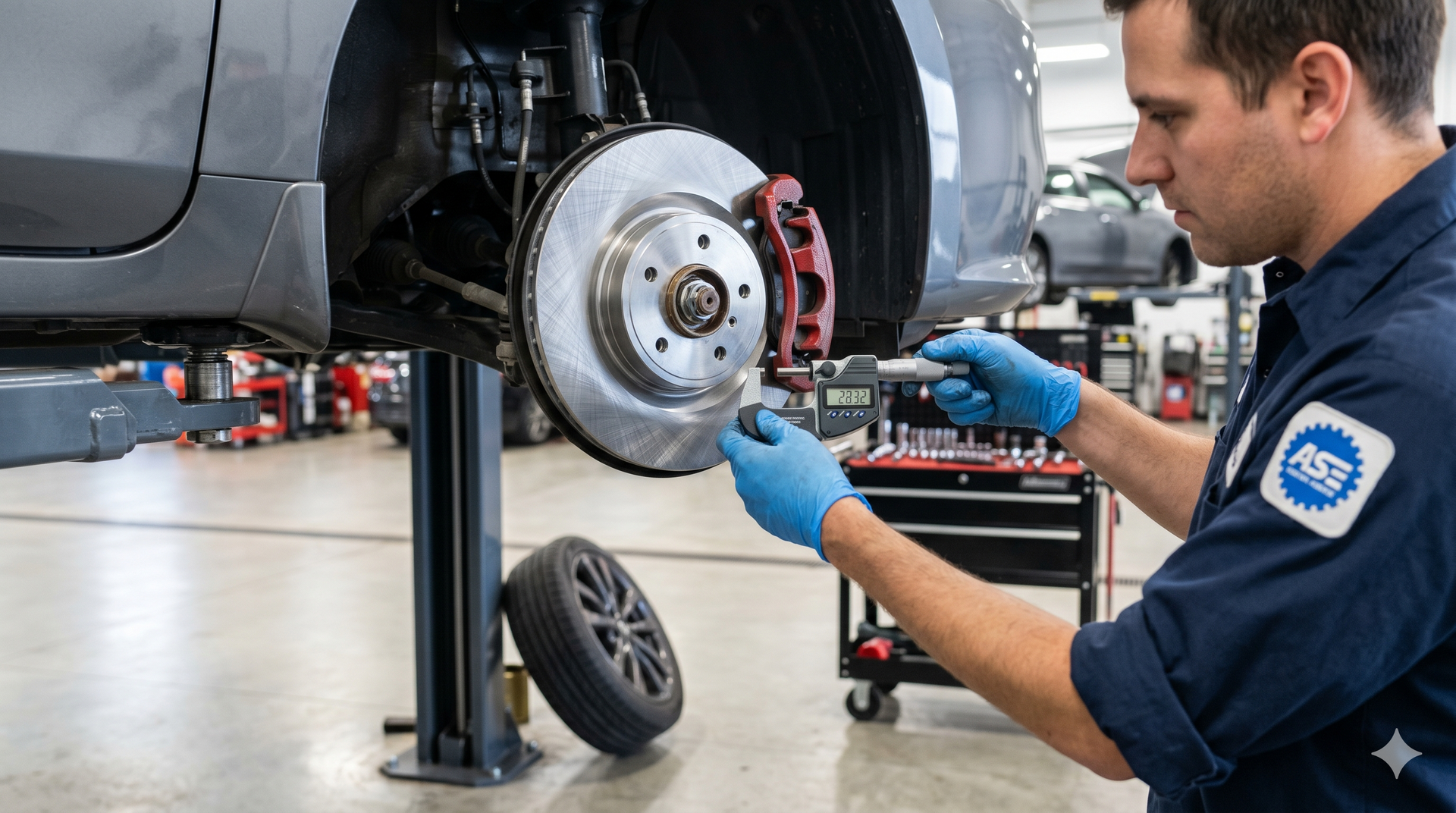
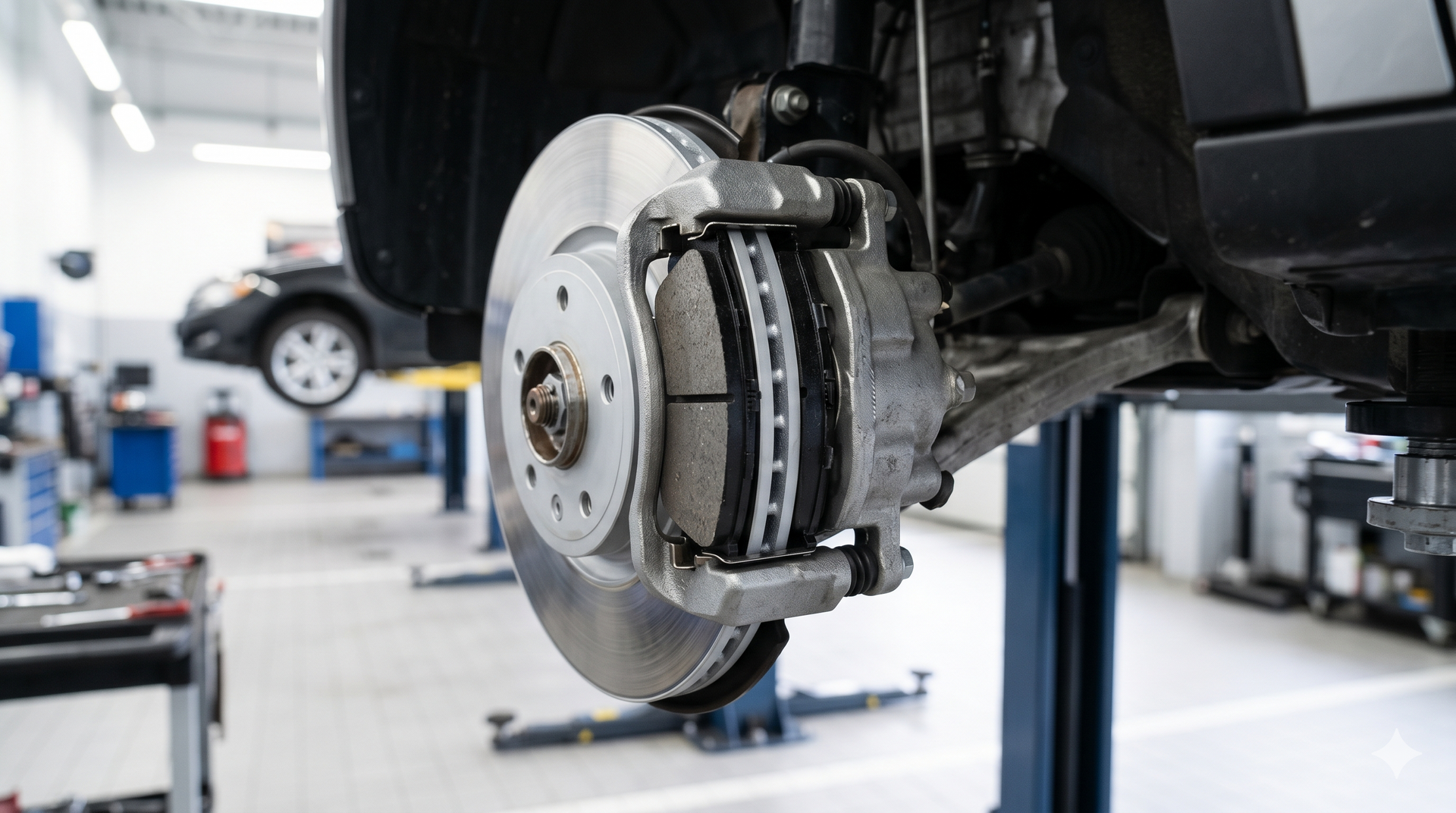
- Brake system warning
- Battery/charging system failure
- Airbag/SRS
Yellow/orange lights usually mean “get it checked soon.”
Examples:
- Check engine (steady)
- ABS
- Tire pressure (TPMS)
- Traction control
- Maintenance reminders
If it’s red, act like it’s serious. If it’s yellow, act like it matters.
If you need to pull over: safe WNY procedures
If you’re on I-90, the 290, the 390, or any busy route:
- Signal early.
- Move to the right shoulder or nearest exit if possible.
- Avoid stopping on curves or hills.
- Turn on hazards.
- If the car is overheating or smoking, shut it off.
In winter, add one more step:
- Look for a safer pull-off than a narrow snowy shoulder.
A nearby exit ramp, parking lot, or wide area is often safer in lake-effect conditions.
Your safety comes first. The car can be fixed. You can’t.
What you can check yourself (quick and safe)
Before calling for help, do a fast, safe scan.
Easy checks:
- Gas cap: If the check engine light is steady and you just fueled up, a loose cap can trigger it. Tighten until it clicks.
- Tires: If TPMS is on, look for a visibly low tire.
- Leaks: After parking, look under the car for obvious puddles.
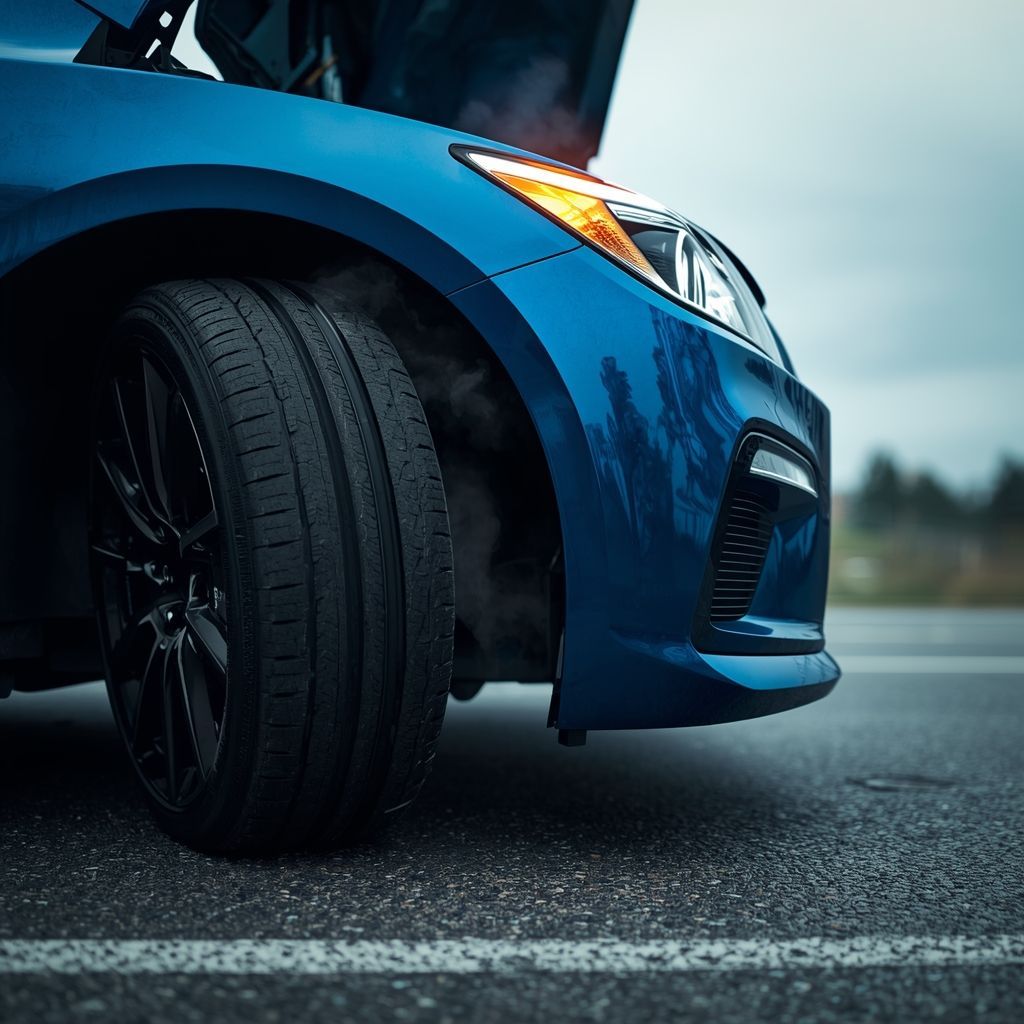
- Smoke/steam: If you see it, don’t keep driving.
Only check fluids if it’s safe and the engine is off.
- Oil level: Pull dipstick, wipe, reinsert, check level.
- Coolant level: Only when engine is cool. Never open a hot radiator cap.
- Washer fluid: Not urgent, but easy to confirm.
If anything looks off, or you’re not comfortable checking, skip it and call a pro.
When you can keep driving (briefly)
You can usually keep driving carefully if:
- The light is yellow/orange
- It is steady, not flashing
- The car is driving normally
- No smoke, no burning smells, no loud knocking
Still: don’t “drive it for a week.” Drive it to help.
When you should stop driving immediately
Stop as soon as it’s safe if you see:
- Any red dashboard warning
- A flashing check engine light
- Overheating / temperature light
- Oil pressure light
- Brake warning light + soft/odd braking
- You feel shaking, power loss, grinding, or hear loud knocking
- Smoke, steam, or fuel smell
If you’re at home, don’t start a second trip hoping it goes away. It won’t.
What to write down before you call
This saves time and helps a tech diagnose faster:
- Light color
- Flashing or steady
- What it looks like (icon or words)
- Any sounds
- Any drive changes
- When it started (just now? after a pothole? after fueling?)
- Weather note (ex: “started during cold snap”)
Even a 15-second note on your phone helps a lot.
What to say when calling a shop
Here’s an easy phone script if you’re stressed:
“Hi, I’m in [your town]. My [warning light] just came on. It’s [red/yellow] and [flashing/steady]. The car is [driving normally / shaking / losing power]. I noticed [any sounds/smells/leaks]. Can I bring it in right away for diagnostics?”
That’s all you need. We’ll take it from there.
Why a professional diagnosis beats Google
Googling a warning light is like searching your symptoms online at 2 a.m.
You’ll get a thousand possibilities, most of them wrong, some terrifying.
Modern cars can turn on the same light for dozens of different reasons.
A certified technician with real diagnostic equipment can tell you what’s actually happening, not what might be happening.
That’s the difference between:
- a $25 fix today
and - a $1,200 repair next month.
What diagnostics usually cost (and why it’s worth it)
Drivers often worry diagnostics will be expensive. The truth: diagnostics are usually far cheaper than guessing.
Typical ranges:
- Basic diagnostic scan: often around $50–$150
- Many common fixes after a scan can be modest:
- loose gas cap / evap issue: $0–$30
- sensor replacement: $150–$400
- ignition coils/spark plugs: $200–$600
- more serious repairs vary, but you’ll know before committing
Ignoring the light? That’s where costs jump.
You’re not paying for a code.
You’re paying for clarity.
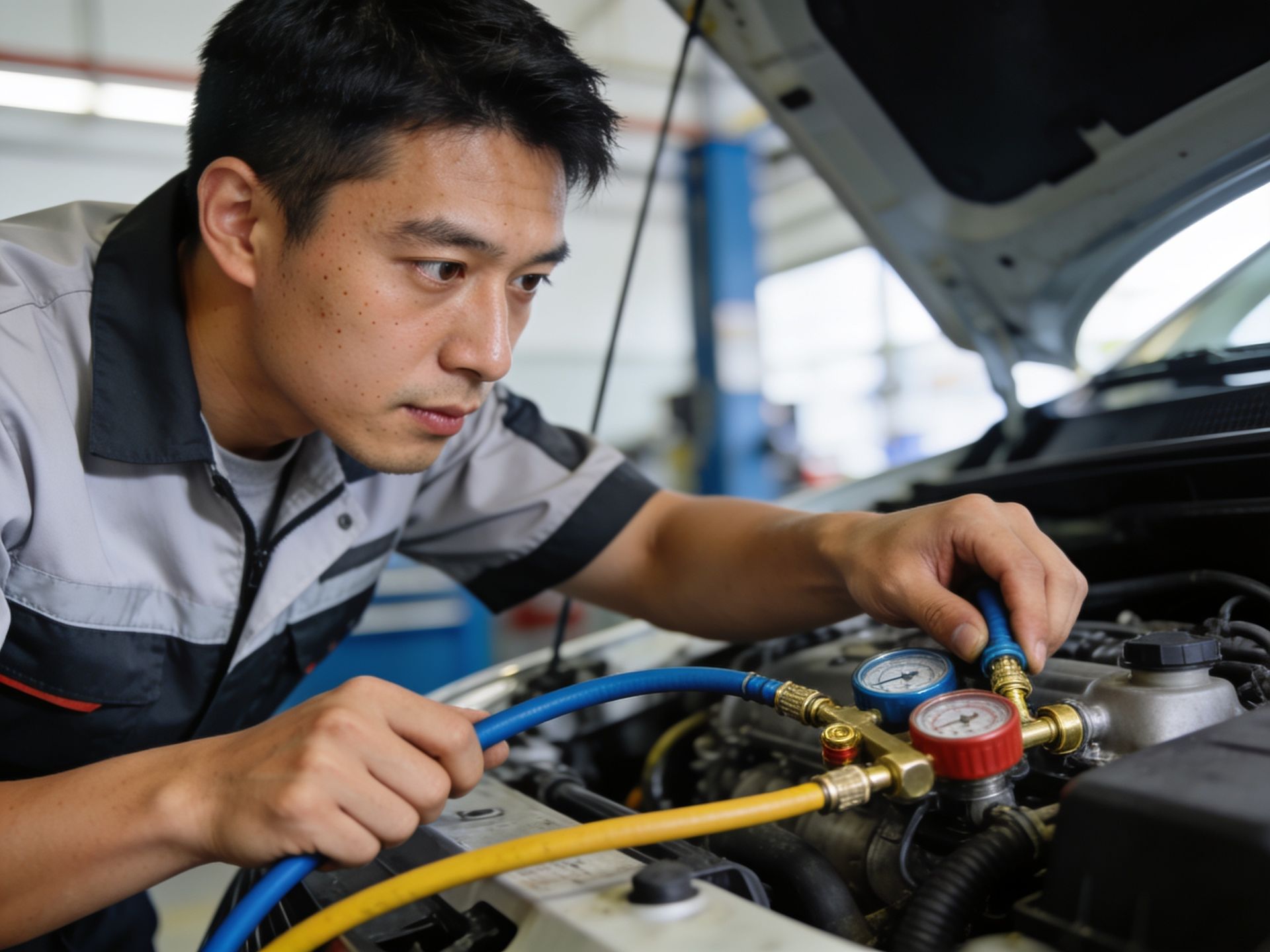
What happens during an emergency diagnostic at Dunn Tire
When you stop by Dunn Tire with a warning light on, here’s what we do:
- We listen to your description.
(Your notes help!) - We scan your vehicle.
Our equipment reads far beyond the quick “parts store scan.” - We verify the real cause.
We don’t just replace whatever pops up first. - We explain it in plain English.
No jargon. No pressure. - We tell you what’s urgent and what can wait.
You get honest next steps, with pricing upfront.
Best part? No appointment needed for diagnostics.
If your light is on and you’re nearby, just come in.
Towing: when you need it and how to decide
You need a tow if:
- The light is red or flashing and the car feels unsafe
- The engine is overheating
- The car won’t accelerate or stalls
- You see heavy smoke or fluid dumping
- Brakes feel unreliable
If you’re unsure, call. We’ll help you decide whether to tow or limp in safely.
Seasonal WNY considerations
Western New York weather is tough on cars.
Cold snaps can trigger:
- battery/charging lights
- TPMS lights (pressure drops fast in cold air)
- traction/ABS warnings
Summer heat can trigger:
- overheating lights
- AC system warnings
- coolant-related check engine lights
Either way, if a light appears during extreme weather, don’t assume it’s “just the season.” Get it checked.
After-hours and Sunday warning lights
Lights love showing up at the worst times.
If you notice one after hours or on a Sunday:
- Follow the safety rules above first.
- If it’s safe to drive, plan to come in ASAP Monday.
- If it’s not safe, don’t drive it. Arrange a tow.
The goal is the same: don’t gamble with a warning light.
The bottom line: don’t panic, act
A dashboard light is your car asking for help.
Not a verdict. Not a disaster.
Do this:
- Read the light
- Make the safe call
- Gather the details
- Get a professional diagnosis fast
If you’re anywhere in Buffalo, Rochester, Syracuse, Auburn, Batavia, Niagara Falls, or even Erie, PA, there’s a Dunn Tire nearby, open Monday through Saturday, with multiple convenient locations and walk-in diagnostics available.
So if that warning light is staring at you right now:
Call Dunn Tire or stop by today.
We’ve seen everything. We’ll figure it out together, calmly, clearly, and quickly.