What Happens During a Professional Brake Inspection at a Local Shop in Western New York?

May 4, 2026

Before the first spring storms hit Western New York, you want to know your brakes are ready.

When roads are wet in Buffalo, Rochester, Syracuse, and across the Western New York region, stopping distance matters more than ever. Salt, moisture, and freezing temperatures from the winter put extra stress on your braking system. If you’ve heard a squeal, felt a vibration, or simply want peace of mind before winter, understanding what actually happens during a professional brake inspection can make scheduling that appointment a lot easier.


Here’s exactly what to expect when you bring your vehicle to Dunn Tire for a brake inspection.


Step 1: A Conversation Before We Even Lift the Vehicle

Every professional brake inspection starts with a few simple questions.

Have you noticed a grinding sound?
Does the brake pedal feel soft?
Is the steering wheel shaking when you stop?

This short conversation helps our ASE-certified technicians focus on potential problem areas right away. A brake inspection isn’t just about looking at parts, it’s about diagnosing symptoms.

Then we get to work.


Step 2: The Vehicle Is Lifted for a Full Brake System Evaluation

A true multi-point brake inspection goes far beyond a quick glance through the wheel spokes.

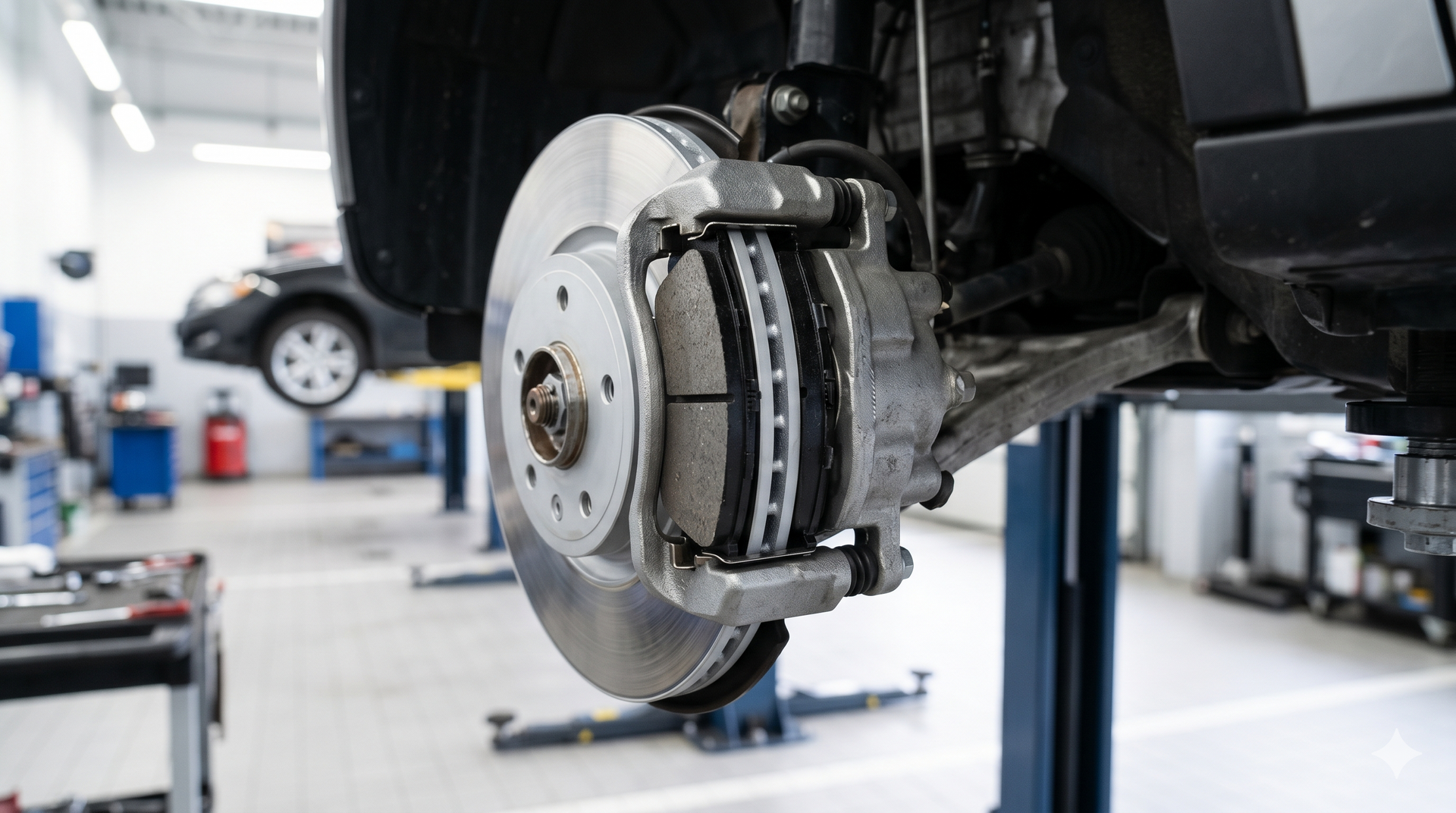
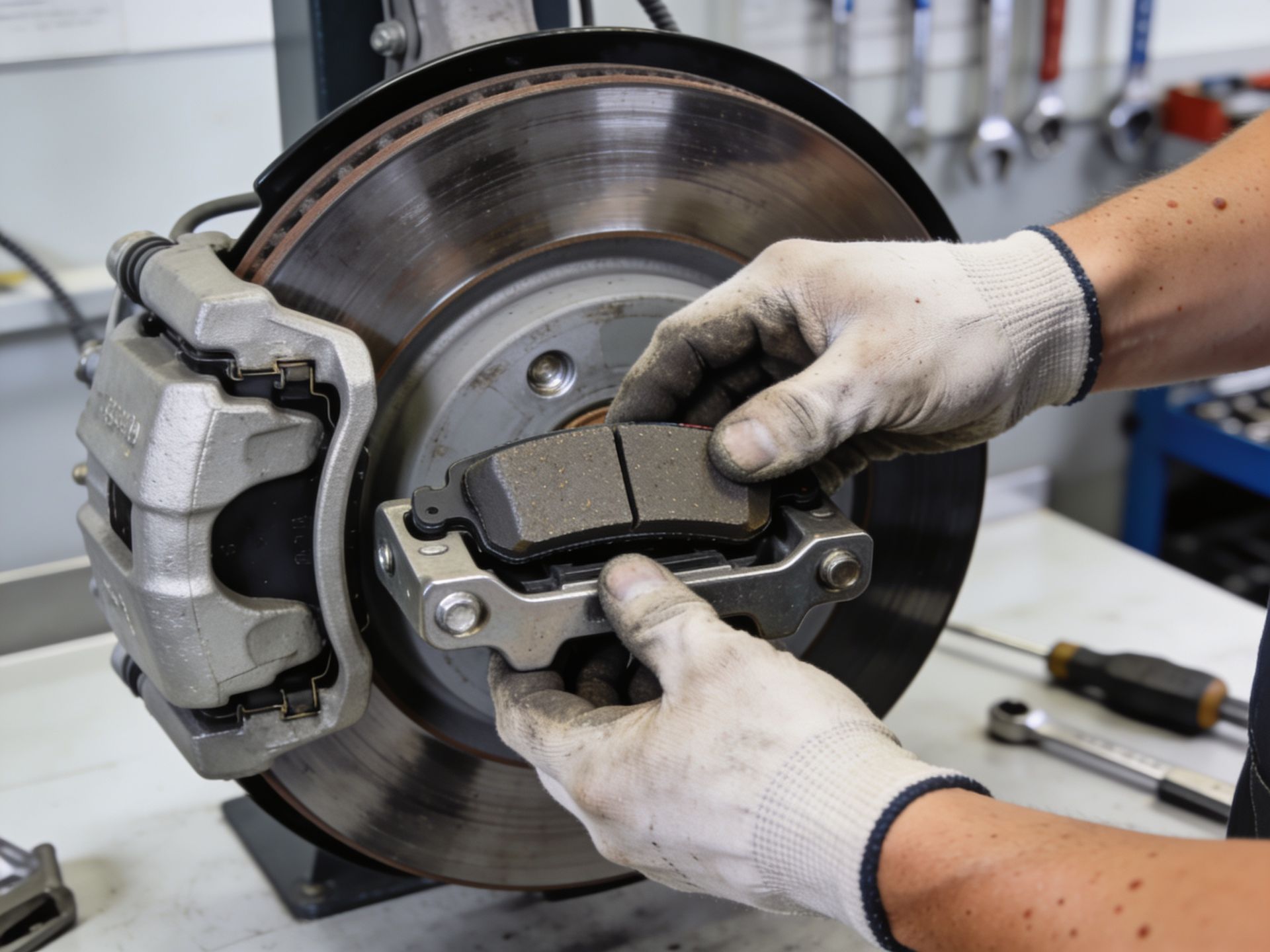
Once your vehicle is safely lifted, our technicians remove the wheels so they can fully access and evaluate the brake system components.

Here’s what we inspect:

  • Brake pad thickness (measured precisely, not estimated visually)
  • Rotor condition, including scoring, heat spots, and thickness
  • Rotor runout to detect warping
  • Calipers for proper movement and signs of seizing
  • Brake lines for corrosion, cracks, or leaks
  • Brake fluid condition and moisture content
  • Hardware including clips, slides, and mounting components

In Western New York, road salt is one of the biggest threats to brake systems. Corroded hardware and frozen calipers are common issues we see in Buffalo and Rochester brake inspections, especially after a harsh winter.


A quick lube “courtesy check” typically involves a surface-level visual look. A proper brake inspection involves measurements, testing, and component-level evaluation.

That difference matters.


Step 3: Measuring, Not Guessing

One of the biggest misconceptions about brake checks is that they’re subjective.

They’re not, at least not when done properly.

We measure brake pad thickness in millimeters. We check rotor thickness against manufacturer specifications. We test for runout that could cause vibration. We evaluate brake fluid condition, which directly impacts stopping performance.

Visual checks alone can’t tell you how much usable life remains. Measurement tells the real story.


Step 4: Checking Brake Fluid | The Often-Overlooked Factor

Brake fluid plays a critical role in stopping power.

Over time, brake fluid absorbs moisture. In Western New York’s damp climate, that process can accelerate. Moisture lowers the fluid’s boiling point and can reduce braking efficiency under stress.

During your brake inspection, we:

  • Check fluid level
  • Inspect fluid color and clarity
  • Test for moisture contamination when needed

This is especially important heading into spring. Cold temperatures combined with moisture-contaminated fluid can compromise performance when you need it most.


Step 5: Evaluating Winter-Specific Risk Factors in Western NY

Driving conditions in Western New York are uniquely demanding.

Salt exposure can cause:

  • Corroded brake lines
  • Sticking calipers
  • Rusted slide pins
  • Seized hardware

Last fall, a driver came in from Amherst for a post-winter brake inspection. He hadn’t noticed anything unusual. During the inspection, we discovered a caliper beginning to seize due to corrosion. It hadn’t failed yet, but we were able to fix it before it became a problem.

Catching that early prevented uneven pad wear and a much more expensive repair later.

That’s the value of a thorough Buffalo brake inspection before the sunny season begins.


Step 6: How We Categorize What We Find

Once the inspection is complete, we don’t just hand you a bill.

We walk you through a clear report that breaks findings into three categories:

Immediate Attention

Safety-related concerns that should be addressed right away.

Monitor

Components that are wearing but still safe, we’ll estimate remaining life.

Good Condition

Parts that are functioning properly and don’t need service.

This structure removes guesswork. You can clearly see what’s urgent, what’s upcoming, and what’s fine.


What Your Brake Inspection Report Looks Like

Transparency builds confidence.

Your report includes:

  • Measured brake pad thickness
  • Rotor condition details
  • Notes on caliper function
  • Brake fluid assessment
  • Hardware observations
  • Clear pricing for any recommended repairs

We explain everything in plain English. No jargon. No pressure.

If service is recommended, you’ll see exactly what it costs before any work begins. Our transparent pricing ensures there are no surprises.


How Long Does a Brake Inspection Take?

Most professional brake inspections at Dunn Tire take about 30 to 60 minutes, depending on vehicle type and condition.

If additional diagnostic testing is required, we’ll let you know upfront.

With Monday–Saturday availability and multiple locations throughout Buffalo, Rochester, Syracuse, Niagara Falls, Batavia, Auburn, Erie PA, and surrounding communities, scheduling is straightforward and convenient.


Why a Local Shop Inspection Is Different from a Chain “Courtesy Check”

Quick lube chains often offer free visual brake checks. These can miss critical issues.

At a trusted local shop like Dunn Tire:

  • Wheels are removed for full access
  • Components are measured precisely
  • ASE-certified technicians perform the inspection
  • You receive a detailed, documented report
  • You get honest recommendations, not upsells

Our goal is long-term customer relationships, not one-time transactions.

That’s why so many drivers searching for a Rochester brake check or Buffalo brake inspection choose a shop they trust.


What Questions Should You Ask During a Brake Review?

When reviewing your results, consider asking:

  • How many millimeters are left on my brake pads?
  • Are the rotors within manufacturer specifications?
  • Is my brake fluid due for replacement?
  • What happens if I wait on the “monitor” items?
  • How will weather conditions impact these components?

A professional technician should be able to answer clearly and confidently.


Beyond Western New York: Pre-Trip Inspections in Chesterfield, VA

While WNY drivers prepare for spring showers, drivers at our Chesterfield, VA location often schedule brake inspections before long summer road trips.

The principle is the same: demanding driving conditions require confidence in your braking system.

Whether you’re preparing post-winter in Syracuse or a highway trip from Virginia, a proper inspection gives you clarity before you hit the road.


Why Post-Winter Brake Inspections Matter Most

Winter driving in Western NY is unforgiving.

Snow-packed roads. Slush-covered highways. Stop-and-go traffic during storms.

Your braking system works harder during these months than any other time of year.

Getting a brake inspection now means:

  • You avoid emergency repairs
  • You prevent salt-related damage from worsening
  • You enter the spring season with full confidence

It’s easier, and often less expensive, to address minor wear before winter compounds the problem.


Why Dunn Tire for Your Western NY Brake Inspection?

Drivers across Buffalo, Rochester, Syracuse, and the surrounding areas trust Dunn Tire because we combine:

  • ASE-certified technicians
  • Professional-grade inspection tools
  • Honest, pressure-free communication
  • Transparent pricing
  • Multiple convenient locations
  • Monday–Saturday service hours

We show you what we find. We explain what it means. And we give you clear options.

No surprises. No sales tactics. Just real expertise.


Ready to Know Where You Stand?

Before the first spring storm rolls across Western New York, make sure your brakes are ready.

If you’ve noticed a noise, felt something unusual, or simply want peace of mind heading into winter, now is the time to schedule your Buffalo brake inspection, Rochester brake check, or Syracuse brake service.

Book your pre-winter brake inspection at Dunn Tire today.

Know exactly where you stand, before spring flowers pop up!


April 17, 2026
If you drive in Buffalo, Rochester, Syracuse, or anywhere across Western New York, your brakes work harder than most.
March 9, 2026
Your warning light just came on. Your heart’s racing. What now?
January 23, 2026
The first time your car slides on an early winter morning, your stomach drops.
December 2, 2025
It always happens at the worst moment. You’re driving down the 90 in Buffalo, heading across Rochester for your morning commute, or navigating Syracuse’s lake-effect flurries, and suddenly a dashboard warning light pops on. Your stomach drops. You start wondering: Is this serious? Can I make it home? Should I pull over now? You’re not alone. Every day, Western New York drivers see unexpected warning lights and search for quick answers. The key is understanding what each light means and knowing when you need immediate help versus when you can safely continue driving. That’s exactly where Dunn Tire comes in. With decades of experience, ASE-certified technicians, and multiple locations from Buffalo to Syracuse, we deliver the facts, no panic, no guessing. Understanding Dashboard Light Colors Before diving into specific lights, the color tells you a lot: Red Lights = Stop safely right away. Yellow/Orange Lights = Have it checked soon. Blue/Green Lights = Informational only. This universal color-coding system helps drivers quickly understand severity, especially in unpredictable Western New York weather. Check Engine Light: The Most Common (and Most Misunderstood) Light No light causes more confusion for Buffalo, Rochester, and Syracuse drivers than the check engine light (CEL). It can indicate hundreds of different problems, some minor, some serious. Why It Happens Common triggers include: Loose or faulty gas cap Failing ignition coil or spark plug Sensor malfunction Emissions-related issues Air/fuel ratio irregularities The “Loose Gas Cap” Phenomenon in WNY Rapid temperature swings, especially in Buffalo and Syracuse, cause gas caps to expand and contract. This often triggers the CEL even when nothing serious is wrong. Many drivers learn this the hard way after frost followed by sudden warm-ups. When It’s Serious Flashing CEL = pull over safely. Steady CEL = schedule diagnostics soon. What We Typically Find In our decades serving Western New York, we see more CELs caused by simple issues, gas caps, misfires, failing sensors, than catastrophic failures. Oil Pressure Warning: The Red Light You Cannot Ignore If any light deserves immediate attention, it’s the oil pressure light. This isn’t about “needing an oil change.” It means your engine may not be getting proper lubrication. Common Causes Failing oil pump Critically low oil level Blocked oil passages Major internal wear Why WNY Drivers See This Cold starts in Buffalo winters thicken oil, and neglected engines suffer most. If this red light appears, pull over immediately and shut off the engine. You’ll save yourself from potentially catastrophic damage. Battery / Charging System Light: Alternator Trouble Ahead This light looks like a battery but signals charging issues, often caused by a failing alternator. Typical Causes Alternator failure Battery at end of life Slipping or broken belt Corroded electrical connections WNY Weather’s Role Frigid Buffalo and Rochester mornings strain batteries. Many drivers first see this light during the season’s cold snap when older batteries give out. Brake System Warning: Don’t Risk Winter Roads The brake system light can indicate something as simple as the parking brake being on, or something critically dangerous. Potential Issues Low brake fluid Worn brake pads Failing master cylinder ABS malfunctions With snow, ice, and road salt across Western New York, reliable brakes are essential. If the light is red, treat it as an emergency. TPMS Light: Tire Pressure and Western New York Weather Western New York’s drastic temperature swings make the TPMS (Tire Pressure Monitoring System) light extremely common. Seasonal Pattern First cold front of the year? Buffalo drivers see widespread TPMS alerts. Rapid freeze-thaw cycles drop pressure by several PSI overnight. What We Typically Find Pressures 5–10 PSI lower after cold nights Slow leaks from winter pothole damage Aging TPMS sensors in older vehicles A TPMS light isn’t an immediate emergency, but low tire pressure affects handling, traction, and tire life, especially in snow and slush. Coolant Temperature Warning: Heat, Cold, and Overheating This light means your engine is either overheating or running too cool. Why It Happens Low coolant Thermostat failure Cooling system leaks Faulty water pump WNY Weather Impact Summer heat in Buffalo and Rochester strains cooling systems. Subzero winter temperatures make thermostats and coolant blend ratios critical. If the light is red, pull over, turn off the engine, and allow it to cool, never open the radiator cap when hot. ABS Warning Light: Reduced Safety in Snow & Ice The ABS light means your anti-lock braking system is compromised. Your brakes still work, but ABS protection may be offline. Causes Faulty wheel speed sensor Wiring corrosion (common with road salt) Failing ABS module Given Western New York’s icy roads and steep braking demands, this is a light you shouldn’t ignore for long. When to Pull Over vs. When to Keep Driving Pull Over Immediately (Red Lights) Oil pressure Coolant temperature (red) Brake system (red) Flashing check engine Get It Checked Soon (Yellow/Orange Lights) Steady check engine TPMS ABS Battery/charging system What Happens During a Professional Diagnostic Check At Dunn Tire, a diagnostic isn’t just plugging in a cheap code reader. Our ASE-certified technicians use professional-grade tools capable of: Reading manufacturer-specific data Accessing live engine and sensor values Running system tests Capturing freeze-frame data Locating the root cause, not just the code This is why DIY scanners and free parts-store code checks often miss critical information. Diagnostics vs. Guessing: The Real Cost Difference Many Western New York drivers try replacing random parts to “fix” warning lights, often wasting money. Proper diagnostics: Prevent unnecessary part replacements Identify the exact failure Save time and frustration Ensure safety A professional diagnostic is nearly always cheaper than guessing. Seasonal Warning Light Patterns in Western New York Because of our region’s unique climate, we see consistent yearly patterns: Winter TPMS lights everywhere Weak battery warnings ABS sensor corrosion from salt Spring Alternator and belt issues from moisture Brake system warnings after rough snow seasons Summer Coolant overheating Air conditioning–related electrical faults Fall Tire pressure fluctuations Check engine lights due to condensation and temperature swings In our decades serving Western New York, we’ve seen these seasonal patterns repeat year after year. Immediate Checks You Can Safely Do Yourself Ensure the gas cap clicks tightly Check coolant level only when the engine is cool Check tire pressure with a gauge Listen for unusual sounds Avoid long trips until the cause is identified Simple steps, but extremely effective. Why Western New York Drivers Trust Dunn Tire Dunn Tire is known throughout Buffalo, Rochester, Syracuse, and surrounding areas for: ASE-certified technicians Professional diagnostic equipment Clear, plain-English explanations Honest recommendations Transparent diagnostic pricing Monday–Saturday availability Multiple convenient locations We’re your local experts who know Western New York weather, and how it affects your car, better than anyone. Schedule Your Diagnostic Today If a warning light just appeared, don’t panic. And don’t guess. Let the experts at Dunn Tire figure out exactly what’s going on. Call or schedule your diagnostic appointment today. Fast answers. Honest recommendations. Certified expertise. Your trusted Western New York diagnostic team is here Monday–Saturday to help you drive safely and confidently, no matter what the weather brings.
October 9, 2025
Life in the Snowbelt If you live in Buffalo, Rochester, Erie, or Richmond, winter isn’t just a snowy season, it’s a challenge. Lake-effect snowstorms sweep across Buffalo with little warning, Rochester drivers face icy winds off Lake Ontario, Erie residents know the misery of slush that refreezes overnight, and Richmond commuters dread freezing rain that turns highways into invisible skating rinks. Every winter, drivers deal with the same problems: · Dead batteries that refuse to crank on frigid mornings. · Tires spinning helplessly in snowdrifts. · Brake failures from salt corrosion. · Fender-benders caused by black ice at intersections. But here’s the truth: most of these headaches can be prevented when the right steps are taken . With the proper maintenance, preparation, and driving strategies, you can stay safe, protect your car, and avoid costly breakdowns during the winter season. At Dunn Tire , we’ve helped thousands of snowbelt drivers prepare for harsh winters. This guide will give you not just checklists, but real-world stories, explanations, and actionable advice so you’re confident no matter what the forecast says.