Why City and School-Zone Driving Wears Brakes Faster
September 9, 2026
How you drive those miles matters.
Why City and School-Zone Driving Wears Brakes Faster
If your day is lights, school zones, and stop-and-go traffic, your brakes are working harder than a highway commuter's and wearing faster.
Think about a typical drive through Buffalo or Rochester. You stop at a light, get moving again, slow for a school zone, hit another intersection, then repeat. Every time you press the brake pedal, your brakes turn your vehicle's motion into heat. Do that dozens of times in a short drive, and the wear starts adding up.
That's why brake life isn't just about how many miles you drive. How you drive those miles matters.
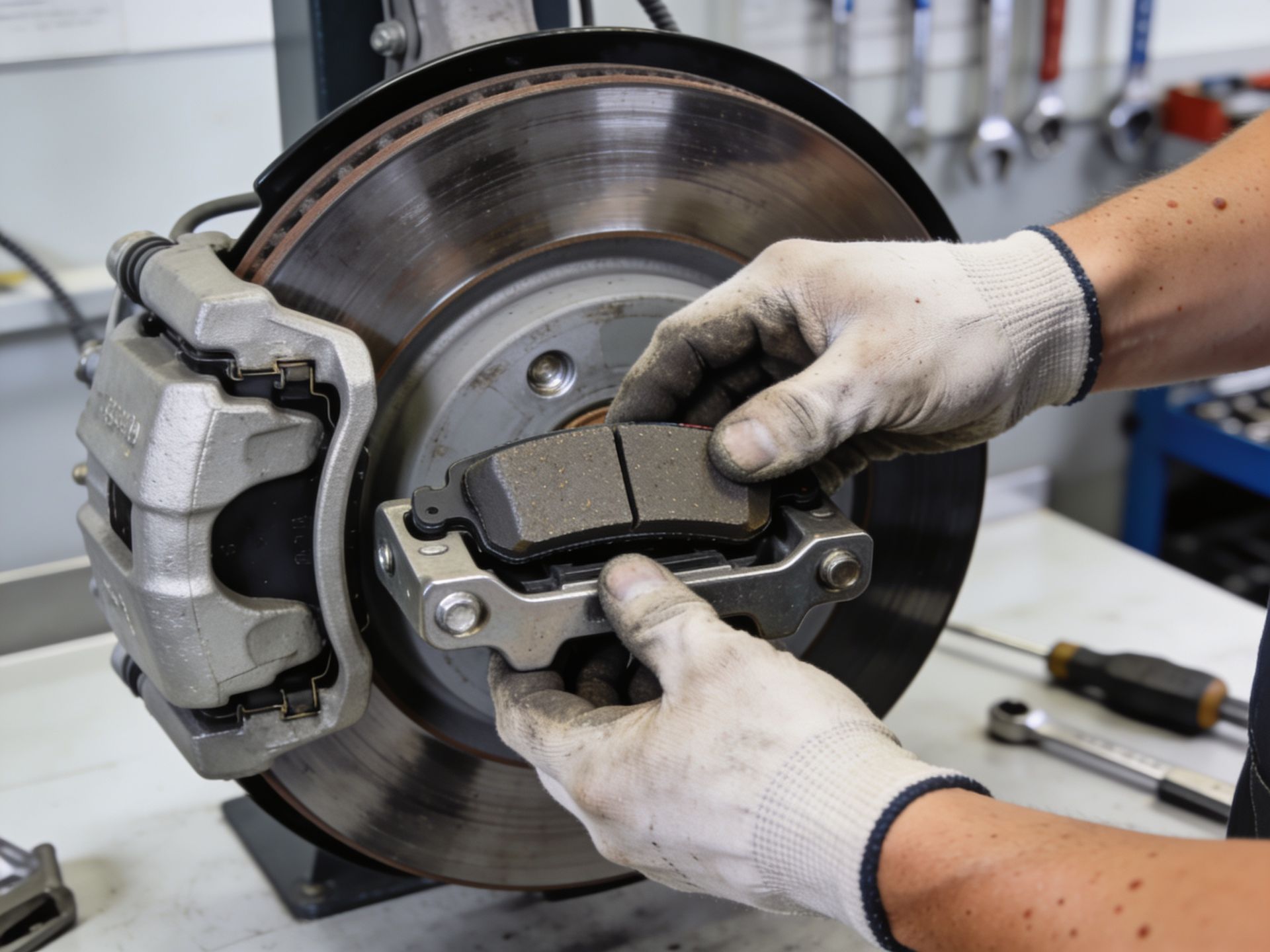
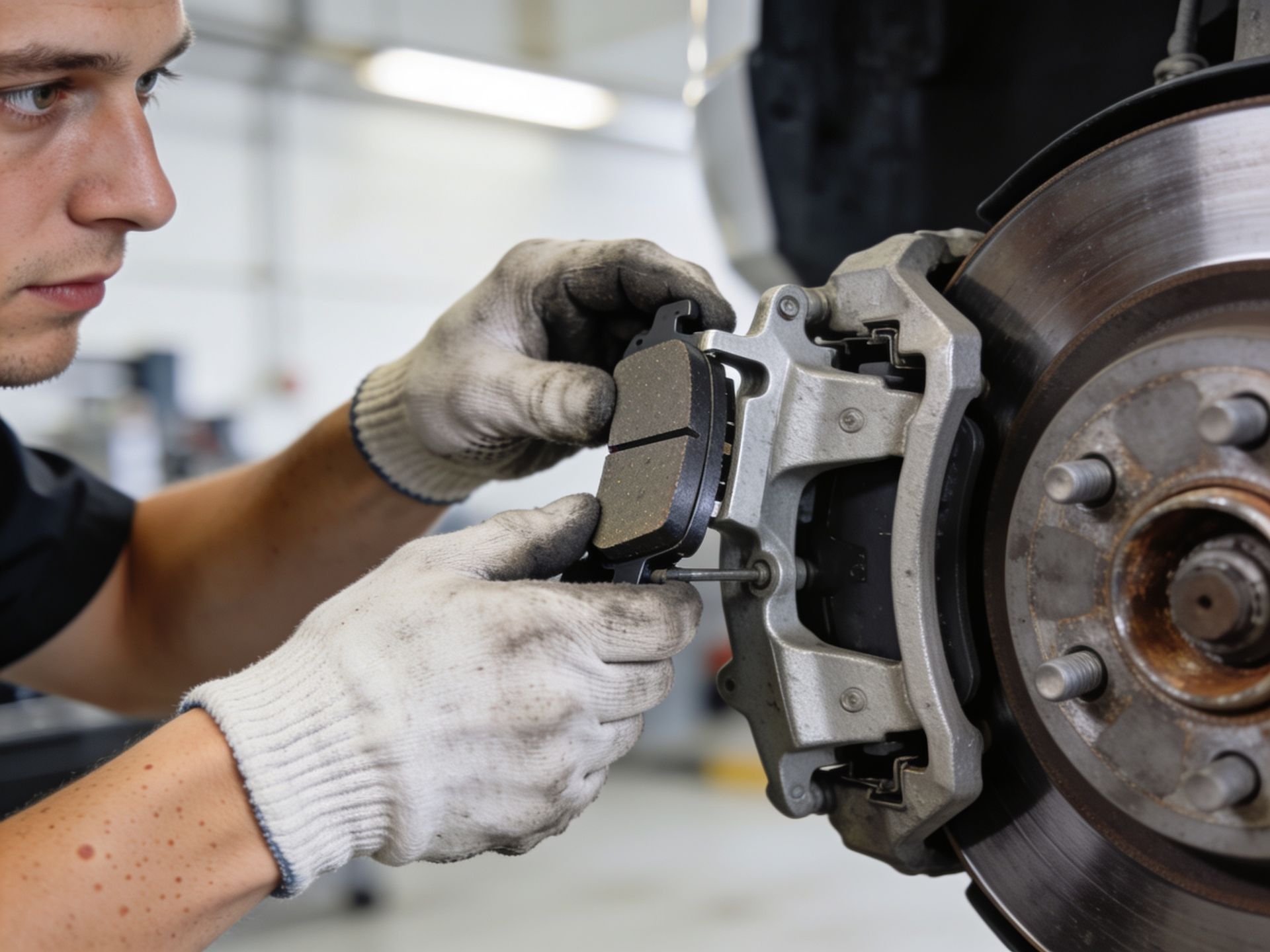
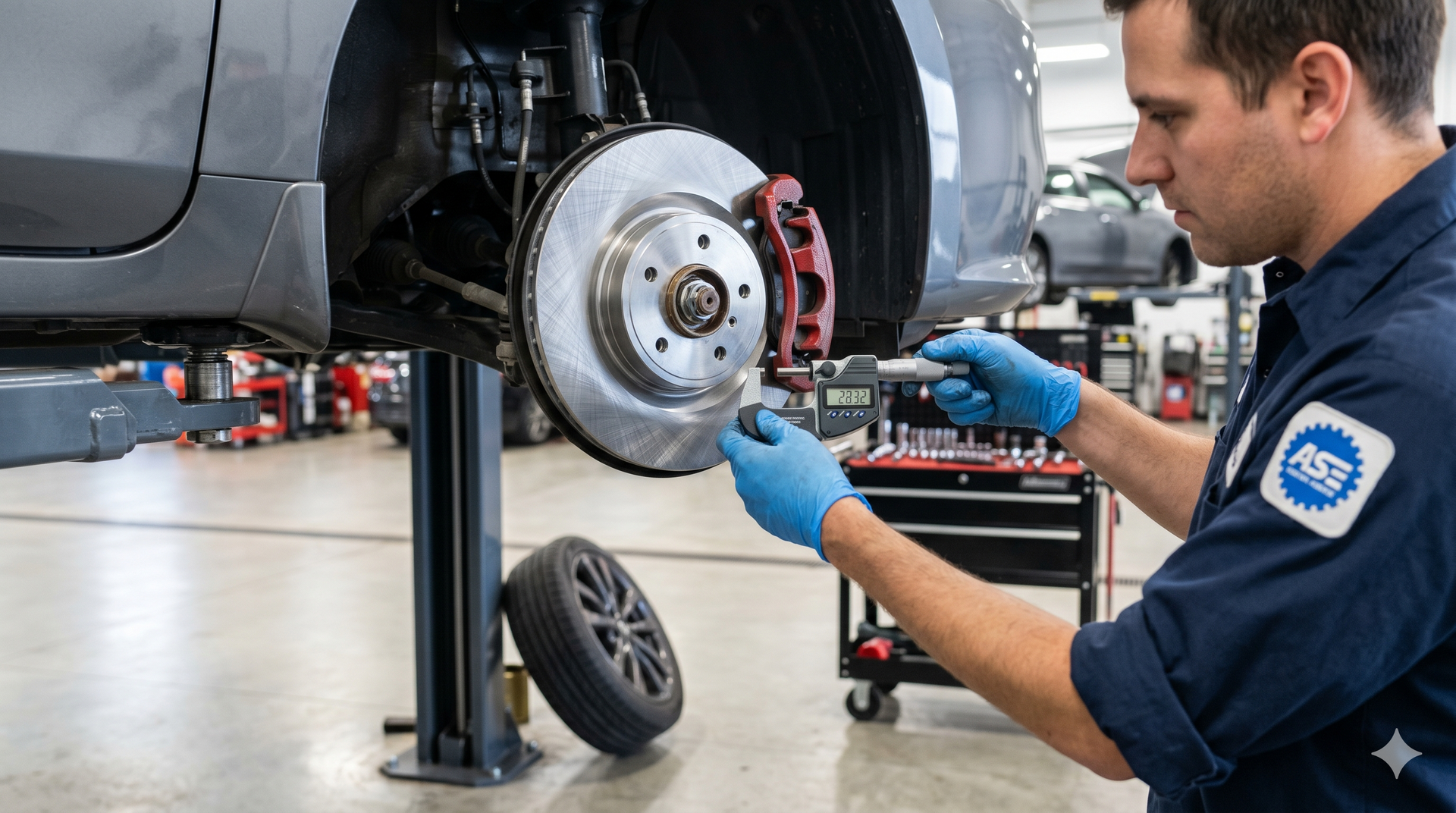
At Dunn Tire, our ASE-certified technicians measure brake pads to the millimeter so you know how much material is actually left. Sometimes it's time for new pads. Sometimes a worried commuter has plenty of brake life remaining, and we'll tell you that too.
If you're wondering about brake pad wear in Rochester, brake life in Buffalo, or how stop-and-go driving in WNY affects your brakes, here's what you should know.
Stop-and-Go Miles Work Your Brakes Harder
Ten miles of open highway and ten miles through city traffic can put very different demands on your brakes.
During steady highway driving, you may travel for miles without touching the brake pedal. In Buffalo or Rochester traffic, you could use your brakes every few blocks.
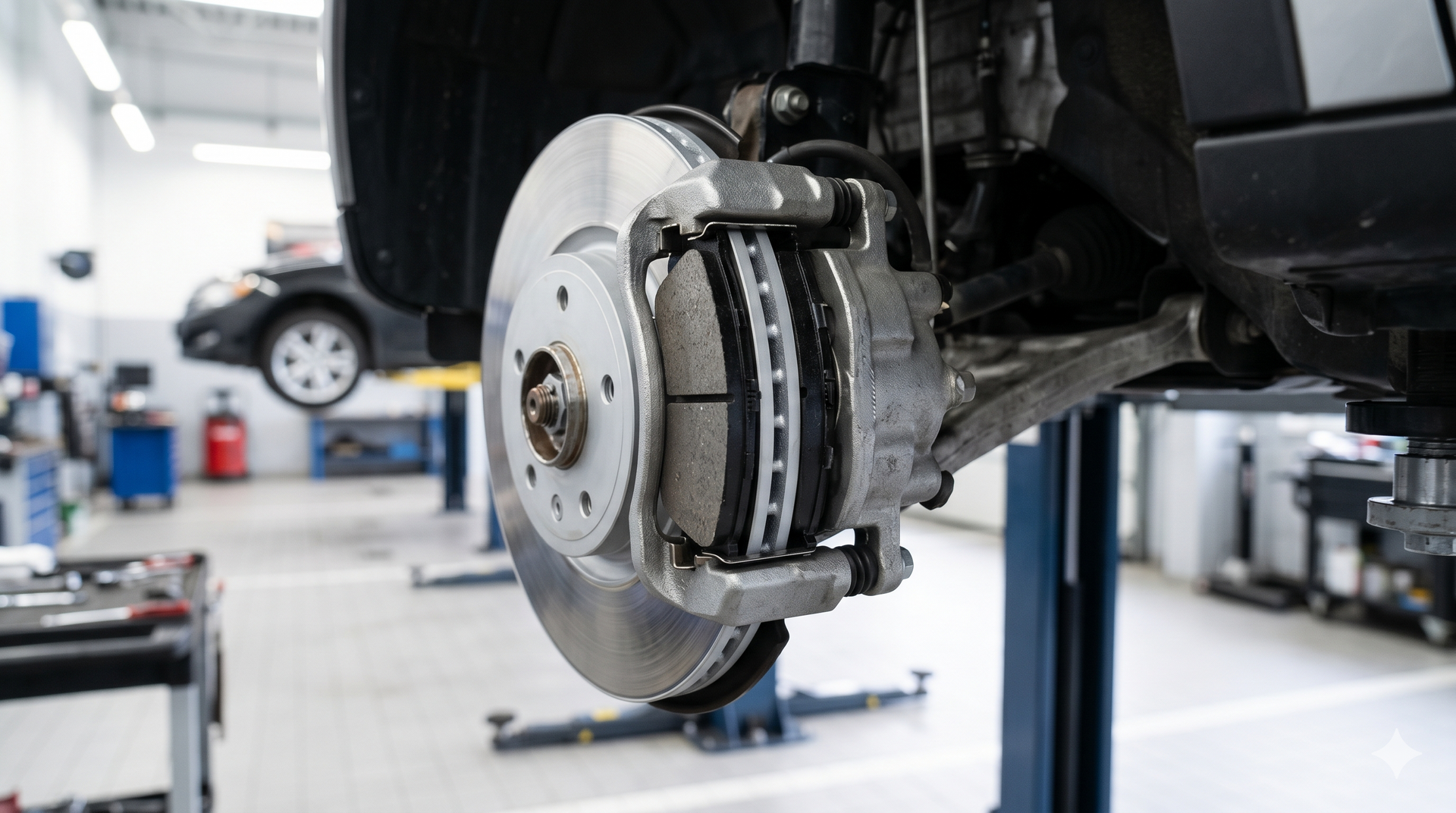
Every stop creates friction between the brake pads and rotors. That friction slows your vehicle, but it also creates heat and gradually wears away the brake pad material.
The more frequently you stop, the more often that process repeats.
So even if your daily commute isn't particularly long, a drive packed with intersections, school zones, and traffic can add up to plenty of brake wear.
Think Stops Per Mile, Not Just Miles Driven
Your odometer doesn't tell the whole story when it comes to brake life.
Imagine two Western New York drivers who each travel 10,000 miles in a year. One spends most of those miles cruising steadily on the highway. The other drives through city streets, school zones, errands, and daily commuter traffic.
Both vehicles traveled the same distance. But the second driver may have pressed the brake pedal thousands of additional times.
More stops per mile means more braking events. More braking events mean more heat and friction. Over time, that can mean faster pad wear.
That's why your brakes may wear sooner than expected even if you don't consider yourself a high-mileage driver.
Western New York Adds Another Factor: Cold Stops
Stop-and-go traffic isn't the only thing Western New York brakes deal with.
Cold mornings add another layer to everyday driving. Your vehicle's components may begin the day at very low temperatures, then quickly heat up as you repeatedly accelerate and brake through traffic.
Those changing conditions are simply part of driving in WNY.
Add city stops, school zones, winter road conditions, and daily commuting, and it's easy to see why local driving habits can put plenty of demand on your braking system throughout the year.
Signs Your Brake Pads May Be Getting Thin
Your brakes often give you clues when something needs attention.
Watch and listen for:
- Squealing or squeaking while braking
- Grinding noises
- Longer stopping distances
- A change in how the brake pedal feels
- Pulsing or vibration through the pedal
- Your vehicle pulling while braking
A pulsing pedal can sometimes point to an uneven rotor surface. Persistent squealing may indicate worn pads or another issue that deserves a closer look.
Grinding is especially important to address quickly. By that point, worn brake pads may already be affecting other braking components.
We Measure Brake Pads. We Don't Guess.
You shouldn't have to replace your brakes because someone says they "look low."
Brake pad thickness can be measured in millimeters, giving you a much clearer picture of how much friction material remains.
At Dunn Tire, measurement is an important part of our brake inspections. Our ASE-certified technicians measure the pads, show you the numbers, and explain what those measurements mean for your vehicle and the way you drive.
Maybe your pads are getting low and replacement should be on your radar.
Maybe they're worn enough that taking care of them now makes sense.
Or maybe you have plenty of life left.
We measure pads to the millimeter. Sometimes a worried commuter has plenty left, and we say so.
Catch Thin Pads Before They Cost You More
Brake pads are designed to wear down over time.
The problem comes when they're allowed to wear too far.
Once there isn't enough friction material remaining, other parts of the braking system can be affected. What could have been a straightforward pad replacement may become a more involved repair that includes the rotors.
Catching thin pads early gives you the opportunity to replace a normal wear item before it leads to additional costs.
If you're not sure how much brake life you have left, stop by Dunn Tire for a free brake measurement. We'll measure your pads and give you a clear answer.
Your Driving Habits Can Help Your Brakes Last Longer
You can't eliminate every red light or school zone from your commute.
But you can make everyday stops a little easier on your brakes.
Try these simple habits:
- Leave more following distance. Extra room gives you more time to slow gradually.
- Coast toward red lights. If you know you're going to stop, ease off the accelerator sooner.
- Look farther ahead. Watching traffic patterns can reduce unnecessary acceleration followed by hard braking.
- Avoid riding the brakes. Keeping pressure on the pedal when it isn't necessary creates additional friction and heat.
- Brake smoothly. Controlled stops are easier on the system than repeated aggressive braking.
Small changes can make a difference when they're repeated across hundreds of commutes.
A Note for Chesterfield Drivers: Watch the Hills
Drivers around Chesterfield, Virginia face a slightly different kind of brake wear.
Hilly roads can mean longer periods of braking, especially on downhill stretches. Riding the brake pedal all the way down a hill keeps the pads in contact with the rotors, creating additional heat and wear.
Leaving more space ahead and avoiding unnecessary constant pressure on the brake pedal can help reduce that demand.
If your daily route includes plenty of elevation changes, brake wear may look different from what a mostly flat-city commuter experiences.
Uneven or Aggressive Braking Can Add Wear
Hard braking creates more heat than a smooth, gradual stop.
Repeated aggressive braking can contribute to faster wear, while problems within the braking system may cause pads to wear unevenly.
Excessive heat or uneven rotor surfaces may also contribute to the pulsing or vibration some drivers feel through the brake pedal.
That's why a brake inspection should involve more than glancing at one pad. Measuring and inspecting the system provides a clearer picture of how everything is wearing together.
Should You Come In Now or Wait Until Your Next Service?
Not every brake concern means you need new pads today.
Some symptoms, however, shouldn't wait.
Come in soon if:
- You hear grinding while braking.
- Your vehicle takes noticeably longer to stop.
- The brake pedal pulses or vibrates.
- Your vehicle pulls while braking.
- Brake feel has changed significantly.
- You're hearing persistent brake noises.
Consider having them measured at your next service if:
- Your brakes feel normal.
- You haven't noticed unusual noises.
- Stopping performance hasn't changed.
- You simply don't know how much pad life remains.
If you're unsure, a brake measurement can take the guesswork out of the decision.
Know How Much Brake Life You Actually Have
There's no reason to replace brake pads before they're ready. There's also no reason to wait until worn pads contribute to a more expensive rotor repair.
The measurement tells the story.
Whether you're commuting through Buffalo, navigating Rochester city streets, handling school drop-off in Syracuse, or running errands around Niagara Falls, Dunn Tire can give you an honest read on your brakes.
Our ASE-certified technicians serve Western New York drivers at more than 24 locations across Buffalo, Rochester, Syracuse, Niagara Falls, and surrounding communities, with convenient Monday through Saturday hours.
Stop by for a free brake measurement, book a brake inspection, or visit your nearest Dunn Tire for an honest read. We'll measure what's left, explain what the numbers mean, and help you decide when it's actually time to replace your brakes.