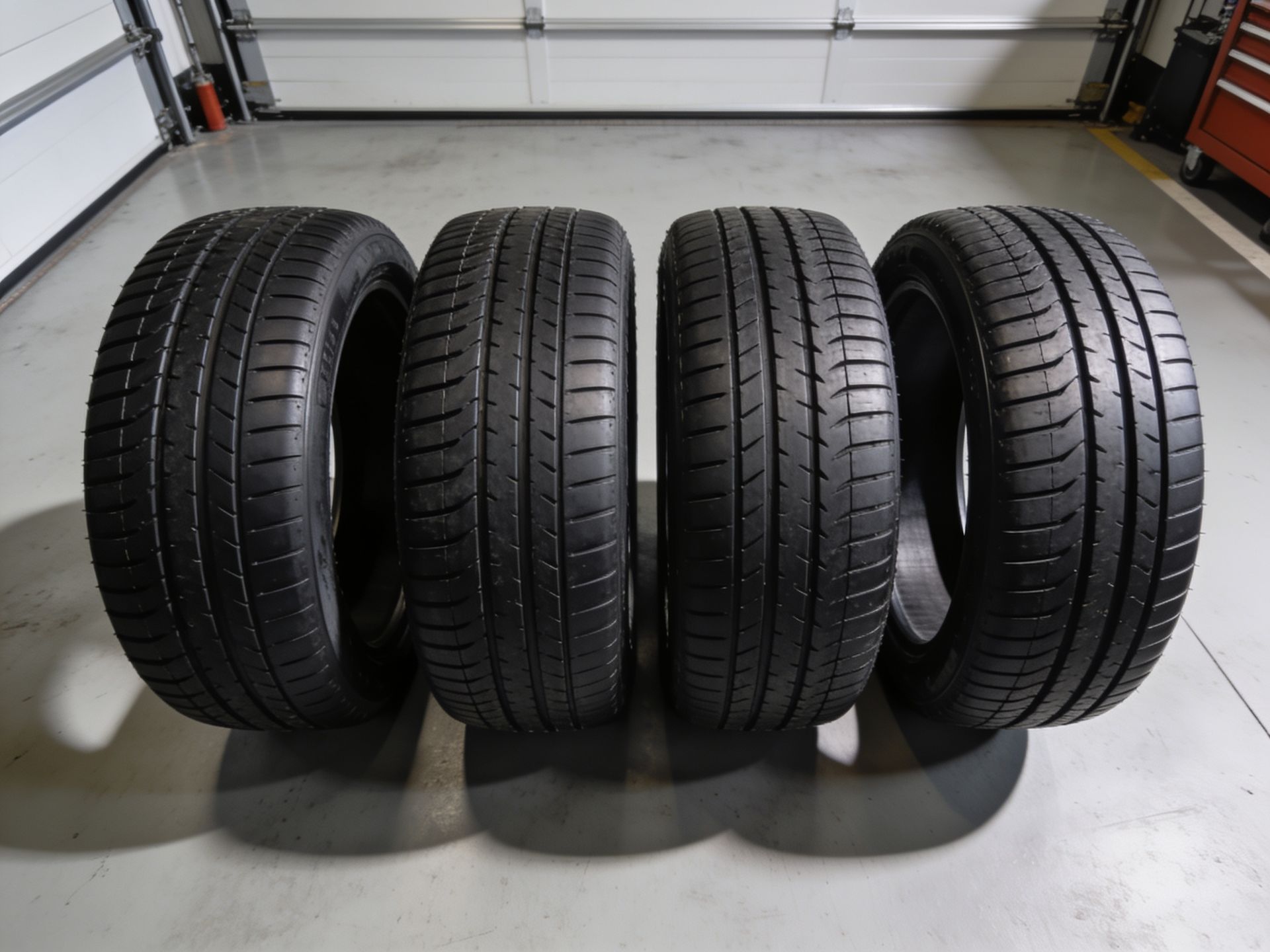
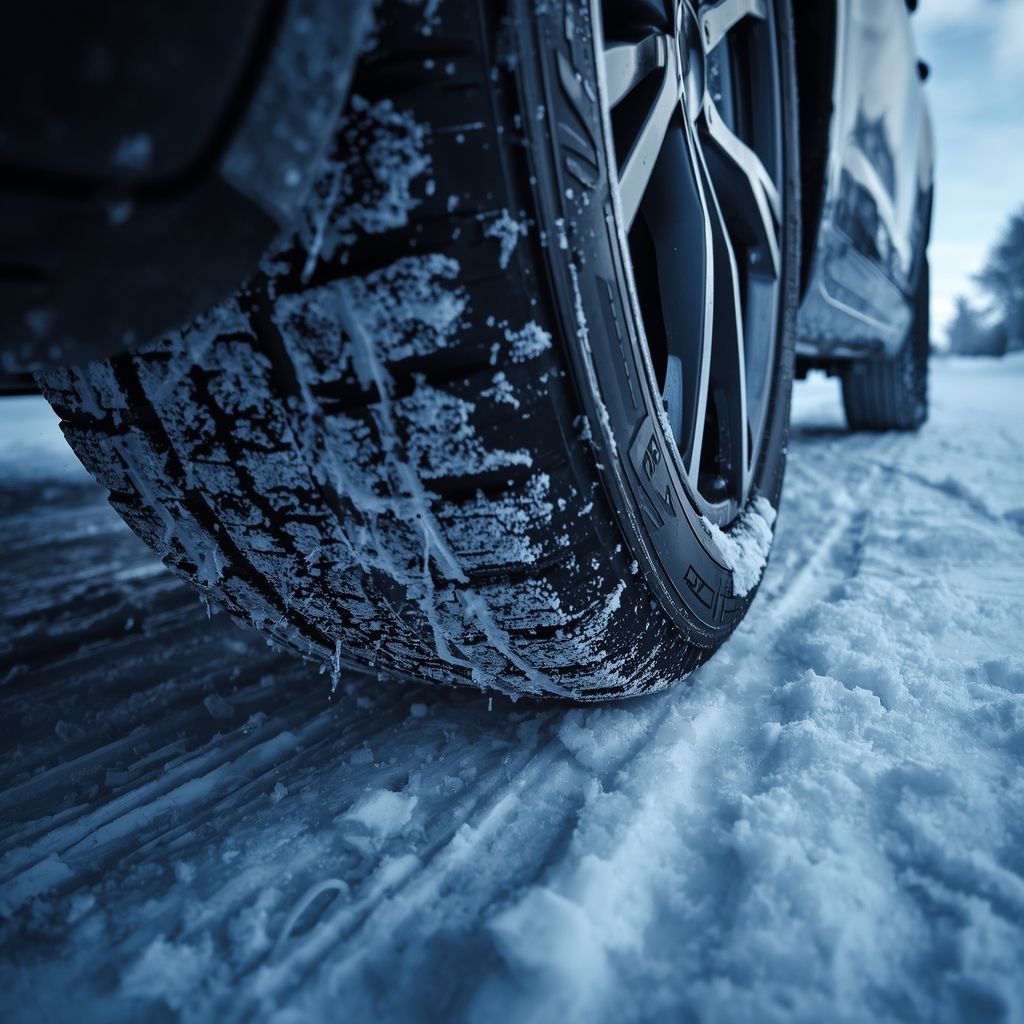
What Your Tire Wear Patterns Are Trying to Tell You
October 19, 2026
Wear patterns are worth paying attention to.
Your tires keep a record of how your car has been driving, if you know how to read it.
A worn strip down the center tells a different story than worn edges. One side wearing faster than the other can point you somewhere else entirely.
And after a Western New York winter filled with potholes and frost heave, those patterns are worth paying attention to.
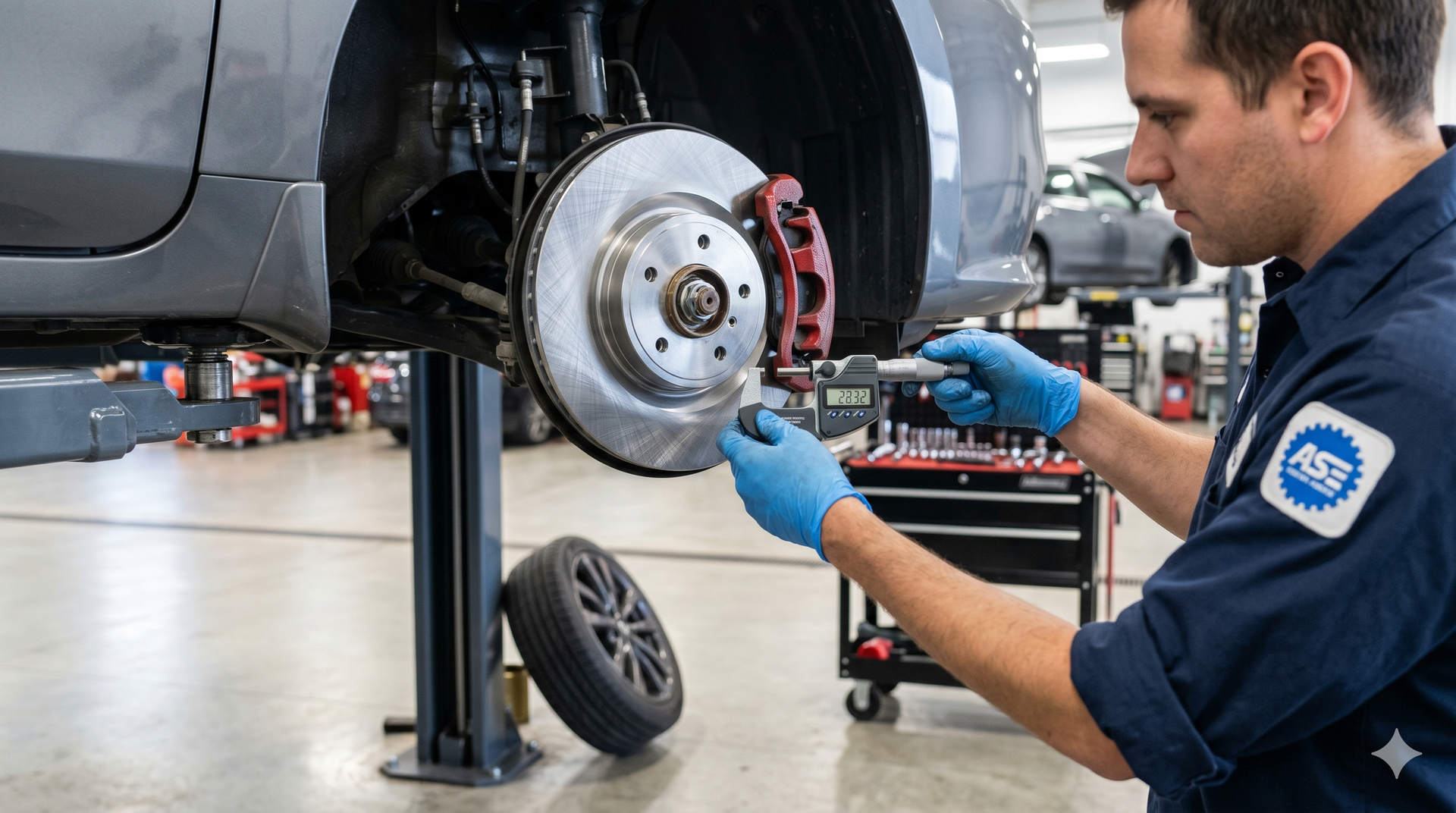
At Dunn Tire, our ASE-certified technicians don't just look at whether a tire is worn. We look at how it wore and trace that pattern back to the possible cause.
If you've noticed uneven tire wear in Buffalo, you're concerned about alignment tire wear in Rochester, or you simply want to understand your tire wear patterns in WNY, here's what to look for.
Think of Tire Wear as a Diagnostic Map
Tires don't always wear evenly.
Where the tread disappears first can give you useful clues about tire pressure, alignment, suspension, and how the vehicle has been driving.
That's why replacing an unevenly worn tire without figuring out what caused the wear can leave you with the same problem on the next set.
The goal isn't just to replace the tire.
It's to understand why it wore that way in the first place.
Center Wear: Check Your Tire Pressure
Look across the width of the tread.
Is the center wearing faster than both outer edges?
That pattern can point toward overinflation.
When a tire has too much air pressure, the center portion of the tread can carry more of the load against the road. Over time, that can cause the middle to wear faster.
It can shorten tread life and reduce how evenly the tire contacts the road.
If you notice center wear, start with a pressure check.
Use the recommended tire pressure for your vehicle rather than relying on how the tire looks.
Both Outer Edges Wearing: Your Tires May Be Under-inflated
Now look at the opposite pattern.
If both shoulders of the tire are wearing faster than the center, underinflation may be the cause.
A tire that's consistently low on pressure can place more stress on its outer edges.
This is especially worth watching during colder months in Western New York, when tire pressure can drop as temperatures fall.
Regular pressure checks can help you catch the issue before it leaves a lasting pattern across the tread.
If both edges are noticeably more worn than the center, stop by for a tire inspection.
One-Sided Wear: Take a Look at Alignment
If one side of the tire is wearing much faster than the other, alignment becomes a concern.
A vehicle that's out of alignment can cause the tire to meet the road at the wrong angle. Instead of the tread wearing evenly, one side does more of the work.
Western New York roads don't always make alignment easy.
Potholes and frost heave can knock alignment out of spec, sometimes without creating an obvious problem from behind the wheel.
After a WNY winter, we see a lot of one-sided wear. Usually a pothole knocked the alignment out and nobody noticed until the tire told on it.
If you're seeing alignment tire wear in Rochester, Buffalo, Syracuse, or Niagara Falls, don't just replace the worn tire.
Have the alignment checked too.
Feathering: Feel the Tread With Your Hand
Some tire wear is easier to feel than see.
Run your hand carefully across the tread from one side to the other.
Does the tread feel relatively smooth in one direction but sharper or rougher when you move your hand back the other way?
That's often described as feathering.
Feathering across the tread can frequently point toward a toe-alignment issue.
It may not be obvious when you simply look at the tire from a few feet away, which is why a quick hands-on check can be useful.
If the tread feels noticeably different depending on which direction you move your hand, schedule an alignment check.
Cupping: It May Not Be the Tire's Fault
Cupping, sometimes called scalloping, looks different from the other patterns.
Instead of one continuous area wearing faster, you may notice a series of uneven dips or worn patches around the tire.
This pattern can sometimes point toward worn suspension components, including shocks or struts.
The suspension helps keep the tire in consistent contact with the road. If a component isn't controlling the tire properly, the tire can move or bounce differently as you drive.
That movement can create the scalloped wear pattern.
If you notice cupping on your tires, replacing the tire alone may not solve the underlying problem.
Have the suspension inspected so you know why the pattern developed.
WNY Potholes Can Leave Their Mark
Sometimes you remember the pothole.
Other times, you don't.
You hit it, the car keeps driving normally, and you forget about it. Months later, you notice one tire looks more worn on one side.
That's why uneven wear can be one of the first visible signs of an alignment problem.
Western New York's freeze-and-thaw cycles can create potholes and frost heave that are hard on alignment and suspension components.
If your vehicle took a few hard hits over winter, checking the tires in spring and fall can help you catch the aftermath.
Do a Two-Minute Tire Check in Your Driveway
You don't need special equipment to spot obvious tire wear patterns.
Take two minutes and look closely at all four tires.
1. Look at the center of the tread.
Is it wearing faster than the edges? Check your tire pressure.
2. Check both shoulders.
If both outer edges are wearing faster, underinflation may be contributing.
3. Compare the inside and outside edges.
One-sided wear can be a sign that alignment needs attention.
4. Run your hand across the tread.
A feathered texture can point toward an alignment issue.
5. Look for dips or scalloped sections.
Cupping may mean it's time to inspect the suspension.
6. Compare the tires.
Does one look noticeably different from the others?
You're not trying to diagnose the entire vehicle in your driveway.
You're looking for clues that tell you it's worth having a technician take a closer look.
Compare Left to Right
Don't inspect each tire in isolation.
Compare the front tires to each other, then do the same with the rear.
If the left front tire is wearing very differently from the right front, that's useful information.
Also look at how the front tires compare with the rear tires.
Differences between positions can help point toward pressure, alignment, rotation, or suspension issues.
If something doesn't match, bring it in.
Rotation Can Help Your Tires Wear More Evenly
The four tires on your vehicle don't all do exactly the same job.
Depending on the vehicle, the front and rear tires can experience different loads and forces from steering, braking, and acceleration.
That's why regular tire rotation matters.
Rotating your tires on schedule helps spread that wear more evenly across the set.
Think of it as inexpensive insurance against one or two tires wearing out much earlier than the others.
It can also give your technician another opportunity to catch an unusual wear pattern before it becomes severe.
Don't Replace Uneven Tires Without Asking Why
If a tire is worn enough to require replacement, replacing it may be necessary.
But there's still another question to answer:
Why did it wear that way?
If under-inflation caused the problem, the next tire needs proper pressure.
If alignment caused it, installing new tires without correcting the alignment can put the new tread at risk.
If worn suspension components created cupping, those components need to be considered too.
At Dunn Tire, we want to understand the root cause so you aren't back in the same situation with the next set.
When Can You Keep an Eye on It?
Not every small difference in tread wear means something is seriously wrong.
You may be able to monitor the tires if:
- Wear remains relatively even across the tread.
- There are no dramatic differences between tires.
- Tire pressure is correct.
- You don't see obvious one-sided wear.
- You don't feel significant feathering.
- There are no clear signs of cupping.
Continue checking your tires regularly and keep up with scheduled rotations.
If the pattern becomes more noticeable, have it inspected.
When Should You Bring It In?
Some patterns deserve a closer look sooner.
Schedule a tire or alignment inspection if:
- One side of a tire is wearing significantly faster.
- You notice obvious feathering across the tread.
- One or more tires show cupping or scalloping.
- Your tires keep losing even wear despite proper inflation.
- One tire looks dramatically different from the others.
- You recently hit a major pothole and notice a change afterward.
Uneven wear is your tire giving you information.
The earlier you find the cause, the better chance you have of protecting the remaining tread.
Let the Tire Tell Us Where to Look
Your tires can tell you a lot before they're completely worn out.
Center wear can point toward overinflation. Both edges can suggest underinflation. One-sided wear and feathering can lead us toward alignment. Cupping may tell us to look at the suspension.
At Dunn Tire, our ASE-certified technicians read those patterns and use measurement-based diagnostics to find out what's causing them.
We don't just sell you another tire and send you back onto the same roads with the same underlying issue.
With more than 24 locations across Buffalo, Rochester, Syracuse, Niagara Falls, and surrounding Western New York communities, plus Monday through Saturday hours, getting your tires checked is easy.
If you've spotted uneven tire wear in Buffalo, you're concerned about your alignment after another WNY pothole season, or something about your tread simply doesn't look right, stop by for a free tire inspection.
We can check the wear, take a closer look at your alignment or suspension, and help you understand what your tires are trying to tell you.