EV Owners in WNY: How Cold Affects Your Range
November 25, 2026
This is a subtitle for your new post
Your EV said 260 miles last month. Now it says 190, and you haven't changed a thing.
Except the weather did.
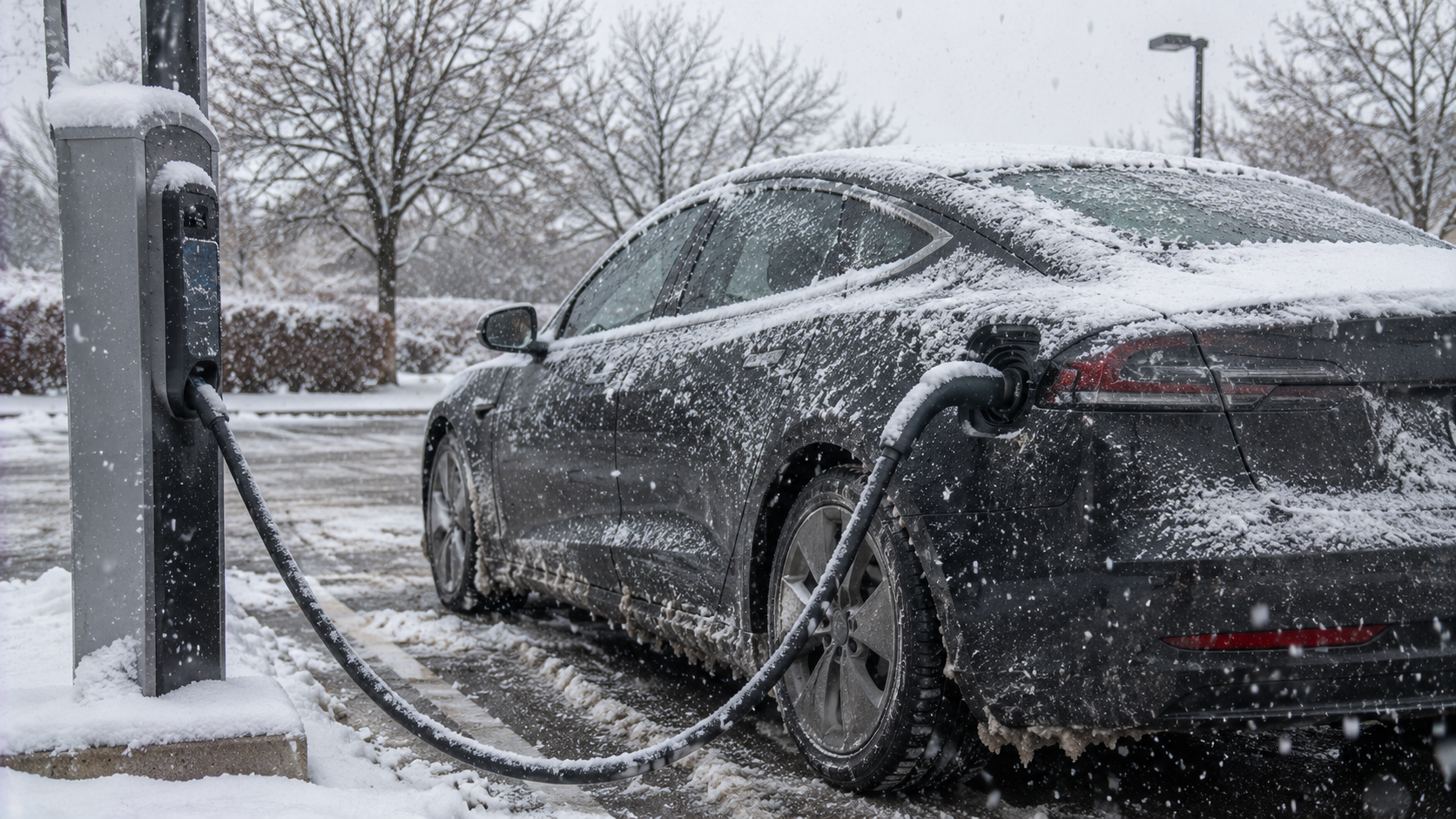
If you've watched your electric vehicle's estimated range drop as temperatures fall, you're not imagining it. Cold weather affects how your EV's battery performs, how much energy your vehicle uses, and how far you can drive between charges.
For drivers in Buffalo, Rochester, Syracuse, and across Western New York, those changes become especially noticeable once lake-effect cold settles in.
The good news? A lower winter range estimate doesn't automatically mean something is wrong with your battery.
Understanding what's happening and making a few adjustments to how you drive and maintain your EV, can help you get more out of every charge.
Why Does EV Range Drop in Cold Weather?
Electric vehicles rely on lithium-ion batteries to store and deliver energy.
When temperatures drop, the chemical processes inside those batteries slow down. That can reduce how efficiently the battery delivers power and
accepts a charge.
But battery chemistry is only part of the story.
Your EV also needs energy to keep the cabin warm. Unlike a gas-powered vehicle that can use waste heat from its engine, an EV generally draws energy
from its battery pack to heat the interior.
That creates two demands on your available range:
- Cold battery performance: Low temperatures make it harder for the battery to operate efficiently.
- Cabin heating: Keeping you comfortable requires energy that could otherwise be used for driving.
Some EVs have heat pumps that reduce the energy needed for cabin heating, but winter conditions can still affect their efficiency.
The result is a lower estimated driving range, even when your driving habits haven't changed.
How Much EV Range Can You Lose in Winter?
There's no single number that applies to every electric vehicle.
Battery technology, outside temperature, cabin heating, driving speed, and trip length all influence winter range.
As a general planning estimate, EV drivers may experience roughly 20% to 30% less range in cold conditions, with greater losses possible during
extreme cold or frequent short trips.
For example, here's what that could mean for an EV that normally delivers 260 miles on a charge:
Range Reduction Estimated Available Range
10% 234 miles
20% 208 miles
25% 195 miles
30% 182 miles
These figures are illustrations, not predictions for every EV. Your actual results may be better or worse depending on the vehicle and conditions.
So, if your dashboard estimate falls from 260 miles to around 190 when temperatures drop, that change can fall within the range of normal winter performance.
For EV winter range in WNY, the important thing is planning around your vehicle's actual cold-weather performance rather than relying on its summer numbers.
Why the First Few Minutes Use So Much Energy
Have you noticed that your EV seems especially inefficient at the beginning of a cold drive?
There's a reason.
When your vehicle has been sitting outside overnight, the battery and cabin may both need warming.
That initial heating demand can use a noticeable amount of energy before you've traveled very far.
Once the cabin reaches your selected temperature and the battery warms, energy use may become more consistent.
This is one reason short winter trips can have such a large effect on EV efficiency.
If you drive five minutes to the store, park, and repeat the trip later, your vehicle may spend a significant portion of each drive warming itself.
For Western New York drivers making short trips through town, that can add up quickly.
Preconditioning: One of the Best Ways to Preserve Winter Range
If there's one winter EV habit worth building, it's preconditioning.
Preconditioning means warming your vehicle before you begin driving.
Many EVs allow you to schedule cabin heating through the vehicle's settings or a mobile app. Some can also prepare the battery for driving or charging.
The key is to precondition while your EV is still plugged in.
When connected to a charger, your vehicle can use electricity from the grid to help warm the cabin and, when supported, the battery.
That means less of the energy stored in your battery has to go toward warming everything after you leave.
For example, if you usually leave for work at 8 a.m., schedule your EV to warm up shortly before departure.
You'll step into a more comfortable cabin, and your vehicle may use less battery energy during those first few miles.
Preconditioning won't eliminate winter range loss, but it can make a meaningful difference.
Cold Weather Can Lower Your Tire Pressure, Too
Here's a winter range factor that often gets overlooked: your tires.
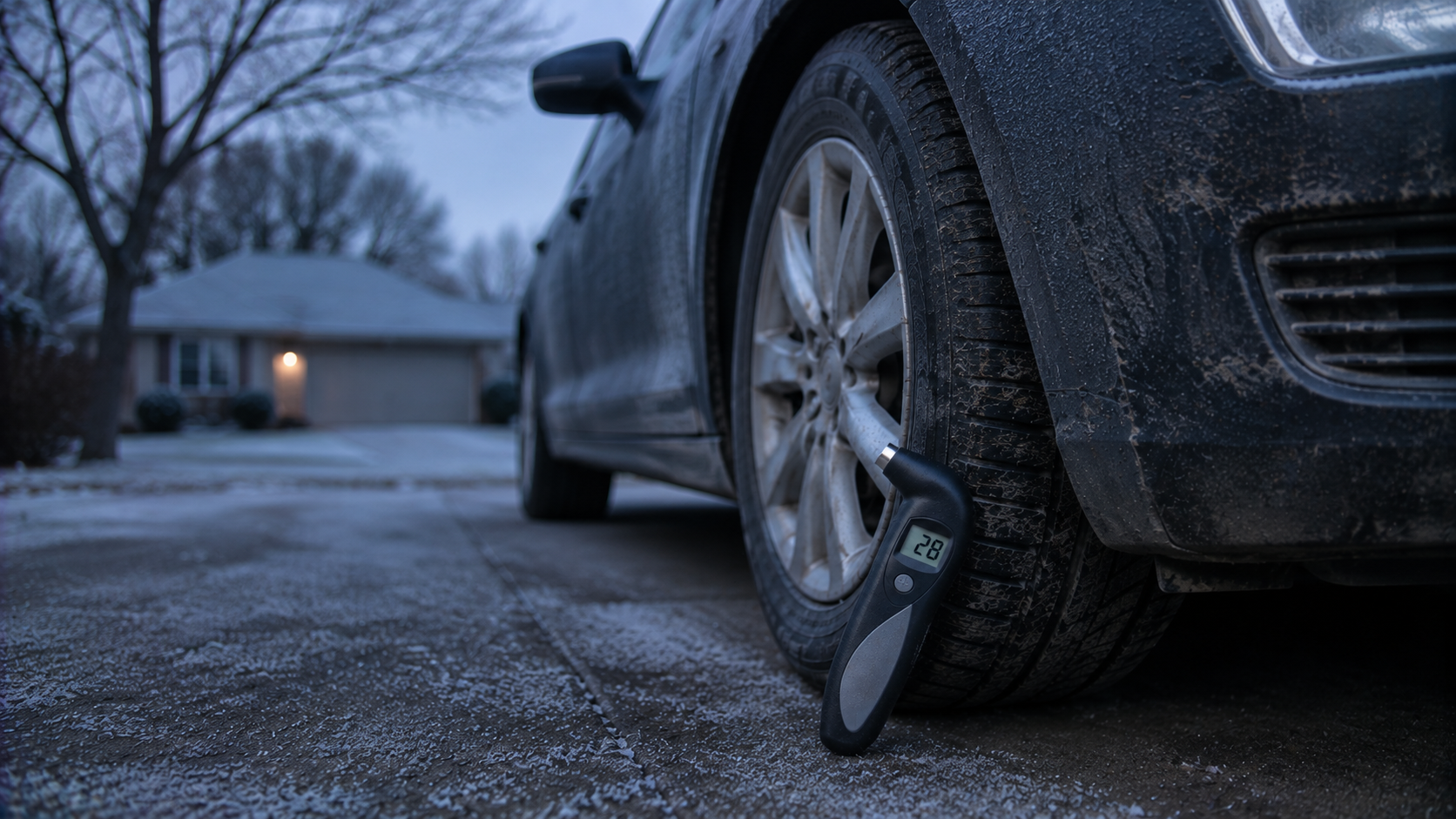
As temperatures fall, tire pressure drops.
A common rule of thumb is that tire pressure changes by approximately 1 PSI for every 10°F change in temperature, although actual changes vary.
That means a tire properly inflated during a mild October afternoon may be underinflated when a cold November morning arrives.
And low tire pressure can increase rolling resistance.
Your EV then needs more energy to move down the road, which can reduce efficiency and available range.
If you've been searching for information about EV tire pressure in Rochester, checking your tires is one of the easiest places to start.
At Dunn Tire, we check EV tire pressures throughout winter. Low pressure can quietly cost range, and correcting it is a free, straightforward fix.
Why Tire Pressure Matters So Much on an EV
Tire pressure matters on every vehicle.
But EV drivers often pay closer attention because energy efficiency directly affects how far they can travel between charges.
Underinflated tires can create additional rolling resistance, forcing the vehicle to use more energy.
They can also contribute to uneven tread wear and affect handling.
For an EV, that means a simple maintenance issue may affect several things at once:
- Driving efficiency and available range
- Tire wear and replacement intervals
- Handling and road contact
- Overall tire performance
The solution isn't to overinflate your tires in pursuit of extra range.
Use the tire pressure recommended by your vehicle manufacturer, typically listed on the driver's door-jamb placard.
Check pressure when the tires are cold, before driving or after the vehicle has been parked long enough for the tires to cool.
If you're unsure, stop by Dunn Tire for a free tire pressure check.
Winter Tires vs. All-Season Tires: What's Better for an EV?
Choosing tires for a Western New York winter involves more than maximizing range.
You also need to think about traction.
All-season tires are designed to handle a variety of conditions, but their performance can be limited in severe winter weather.
Dedicated winter tires use rubber compounds and tread designs intended to provide better traction in cold temperatures, snow, and ice.
That's particularly important for drivers who regularly encounter lake-effect snow, icy intersections, or roads that haven't been fully cleared.
There is a trade-off, though.
Some winter tires have greater rolling resistance than efficiency-focused all-season tires. Depending on the tire and vehicle, that can reduce driving range.
But the tire with the highest efficiency isn't necessarily the best choice for every WNY winter drive.
If your commute regularly includes snow-covered roads, improved winter traction may be worth the range trade-off.
At Dunn Tire, we can help you compare tire options based on your EV, driving habits, and the conditions you encounter.
Why EV Tires Deserve a Closer Look
Not every tire is equally suited to every electric vehicle.
EVs can be heavier than comparable gas-powered vehicles because of their battery packs. Many also deliver strong torque immediately when accelerating.
Those characteristics can influence tire wear and tire selection.
When choosing replacement tires, it's important to consider the vehicle's required load rating, size, speed rating, and manufacturer recommendations.
Rolling resistance, traction, tread life, and ride comfort can also affect which tire makes sense.
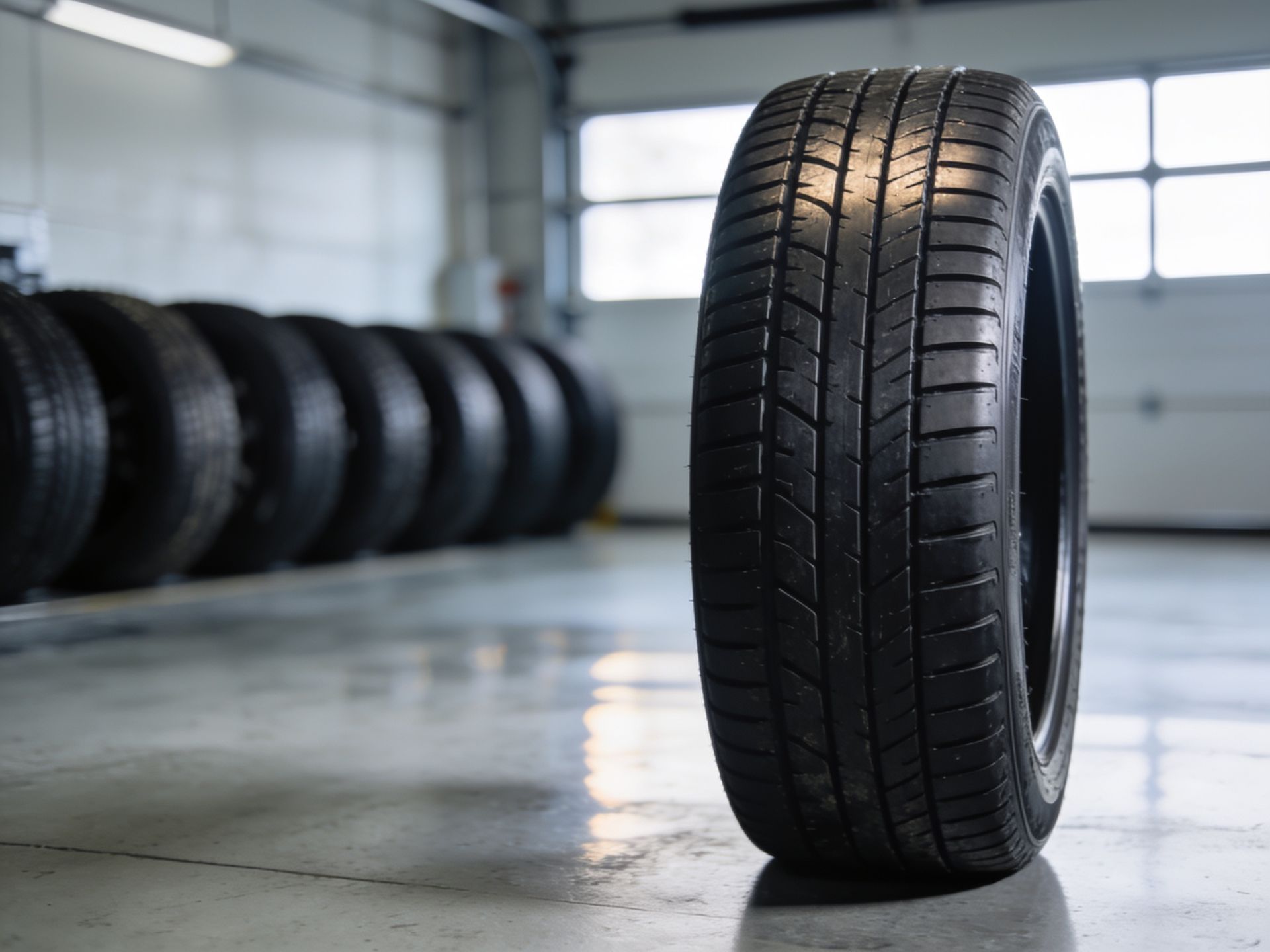
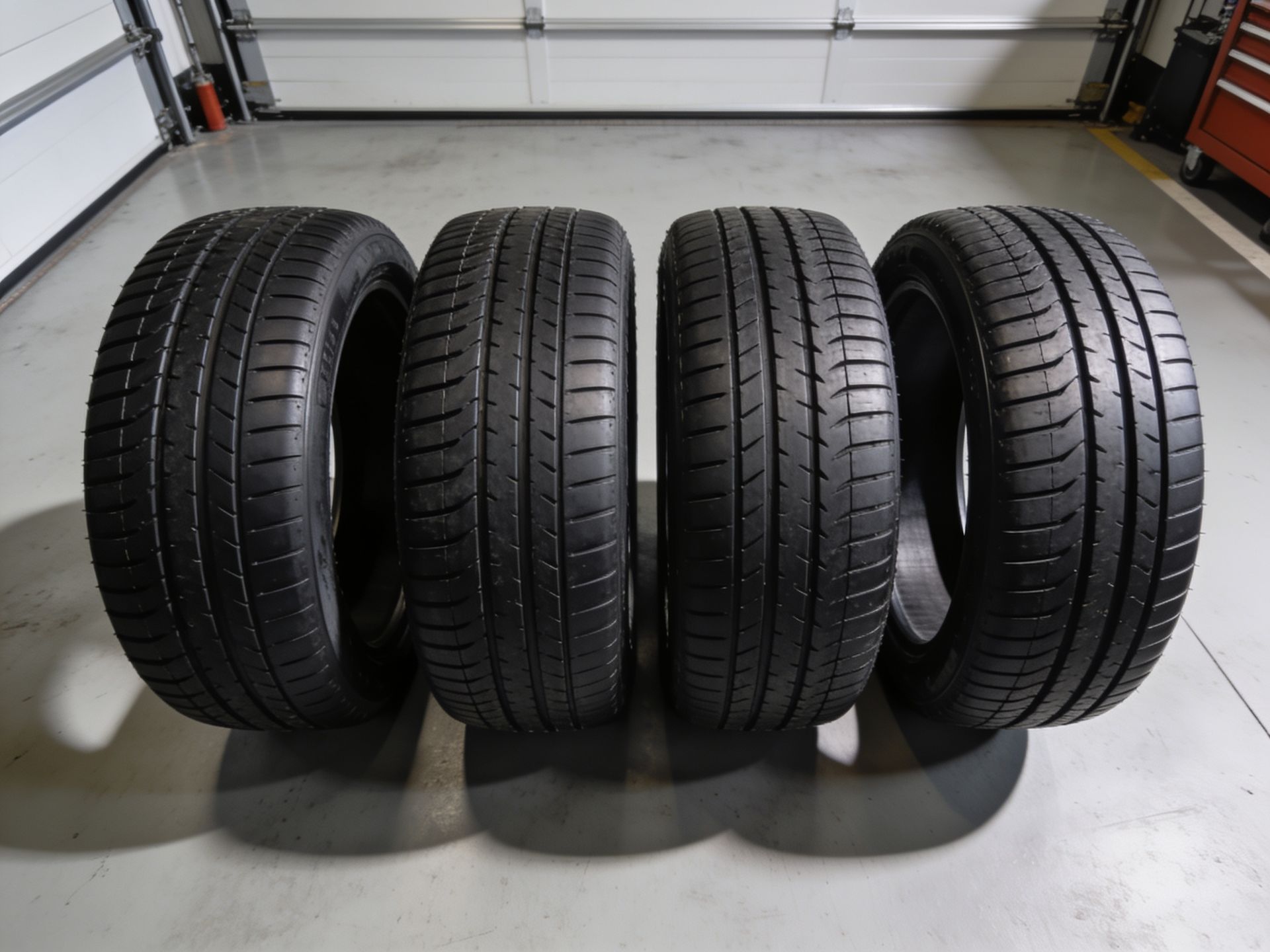
If you're considering winter tires or replacing a worn set, an EV tire consultation can help you choose tires that balance efficiency with the driving conditions around Western New York.
Lake-Effect Snow Makes Winter Range Planning Important
Winter driving in Western New York can change quickly.
A routine trip through Buffalo or Niagara Falls may involve clear roads one day and heavy lake-effect snow the next.
Cold temperatures, snow-covered pavement, cabin heating, and slower travel can all affect how much energy your EV uses.
For longer trips, it's smart to leave extra range available rather than planning to arrive with the battery nearly empty.
Check charging options before you leave, especially if you're traveling through unfamiliar areas or expecting severe weather
.
And remember that charging itself may take longer when the battery is very cold.
Some EVs can automatically warm their batteries before a fast-charging stop. If your vehicle supports that feature, use its built-in charging navigation or battery preconditioning settings.
A little planning can make winter EV driving much less stressful.
Simple Habits That Help Protect Your EV's Winter Range
You don't need to completely change how you drive when winter arrives.
A few practical habits can help you manage energy use.
Precondition while plugged in. Warm the cabin and, when supported, the battery before leaving home.
Check tire pressure regularly. Cold temperatures can lower pressure and increase rolling resistance.
Use Eco mode when appropriate. Many EVs offer settings that reduce energy use through adjustments to acceleration and climate control.
Consider heated seats. When available, seat and steering-wheel heaters may help keep you comfortable while reducing the need for high cabin-heating settings.
Plan charging stops with extra margin. Don't assume your summer range will hold during a January cold snap.
Combine short trips when practical. Repeatedly warming a cold cabin can use more energy than one longer outing.
Choose tires for your conditions. Winter traction and vehicle compatibility matter alongside efficiency.
Together, these habits can help you make better use of the energy available.
When Should You Get Your EV Tires Checked?
If your estimated range drops when temperatures fall, that doesn't automatically mean you need new tires.
But it's worth checking whether tire pressure or tire condition is adding to the problem.
Consider stopping by if:
- Your tire pressure warning light comes on.
- You haven't checked your pressure since temperatures dropped.
- Your tires show uneven wear.
- You're considering winter tires for the first time.
- You're unsure whether your current tires are suited to WNY winter conditions.
- Your EV's efficiency has changed, and you want to rule out a tire-related issue.
A tire and pressure check won't eliminate the effects of cold battery chemistry or cabin heating.
It can, however, help identify avoidable losses caused by incorrect inflation or tire problems.
Dunn Tire Helps WNY EV Drivers Get Winter-Ready
Electric vehicles have different powertrains, but they still depend on the right tires, proper inflation, and reliable traction.
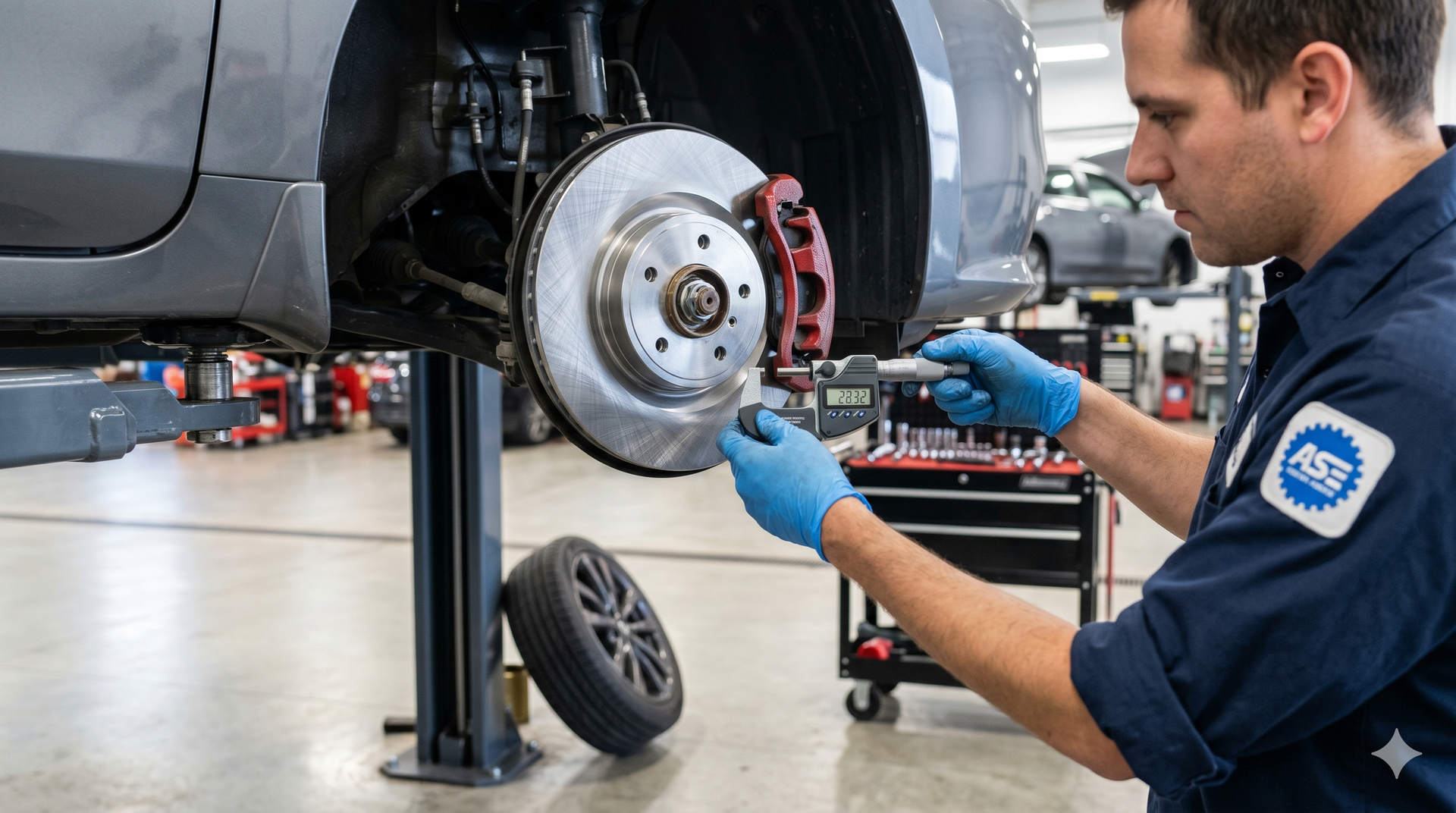
At Dunn Tire, our ASE-certified technicians understand how tire condition and pressure affect vehicle performance, including the efficiency concerns that matter to EV owners.
We'll check your tires, explain what we find, and help you decide whether anything needs attention.
If your tires are in good condition and the pressure is correct, we'll tell you.
If a different tire could better suit your winter driving needs, we'll walk you through the options without unnecessary upsell pressure.
With more than 24 locations across Buffalo, Rochester, Syracuse, Niagara Falls, and surrounding Western New York communities, plus Monday through Saturday hours, getting your EV checked is convenient.
Get More Confidence From Every Winter Charge
Cold weather can reduce EV range, but you have more control over winter efficiency than you might think.
Preconditioning, smart charging habits, and proper tire pressure can all help you manage the seasonal change.
And while you can't change Western New York's winter weather, you can make sure your tires are ready for it.
Stop by Dunn Tire for a free tire pressure check or ask our team about an EV tire consultation.
We'll help you understand your tire options and get your EV ready for the cold miles ahead.