Is Your Cooling System Ready for Summer Heat? What WNY Drivers Should Check
August 11, 2026
Knowing what to watch for can help you address an issue before your vehicle overheats.
The worst place to learn your cooling system was tired is the shoulder of I-90 in August.
One minute your road trip is going according to plan. The next, the temperature gauge starts climbing, steam appears from under the hood, and you're waiting for a tow truck instead of enjoying the drive.
The good news is that most cooling system problems don't appear without warning. With a little attention before your next trip, you can often catch small issues before they turn into expensive repairs.
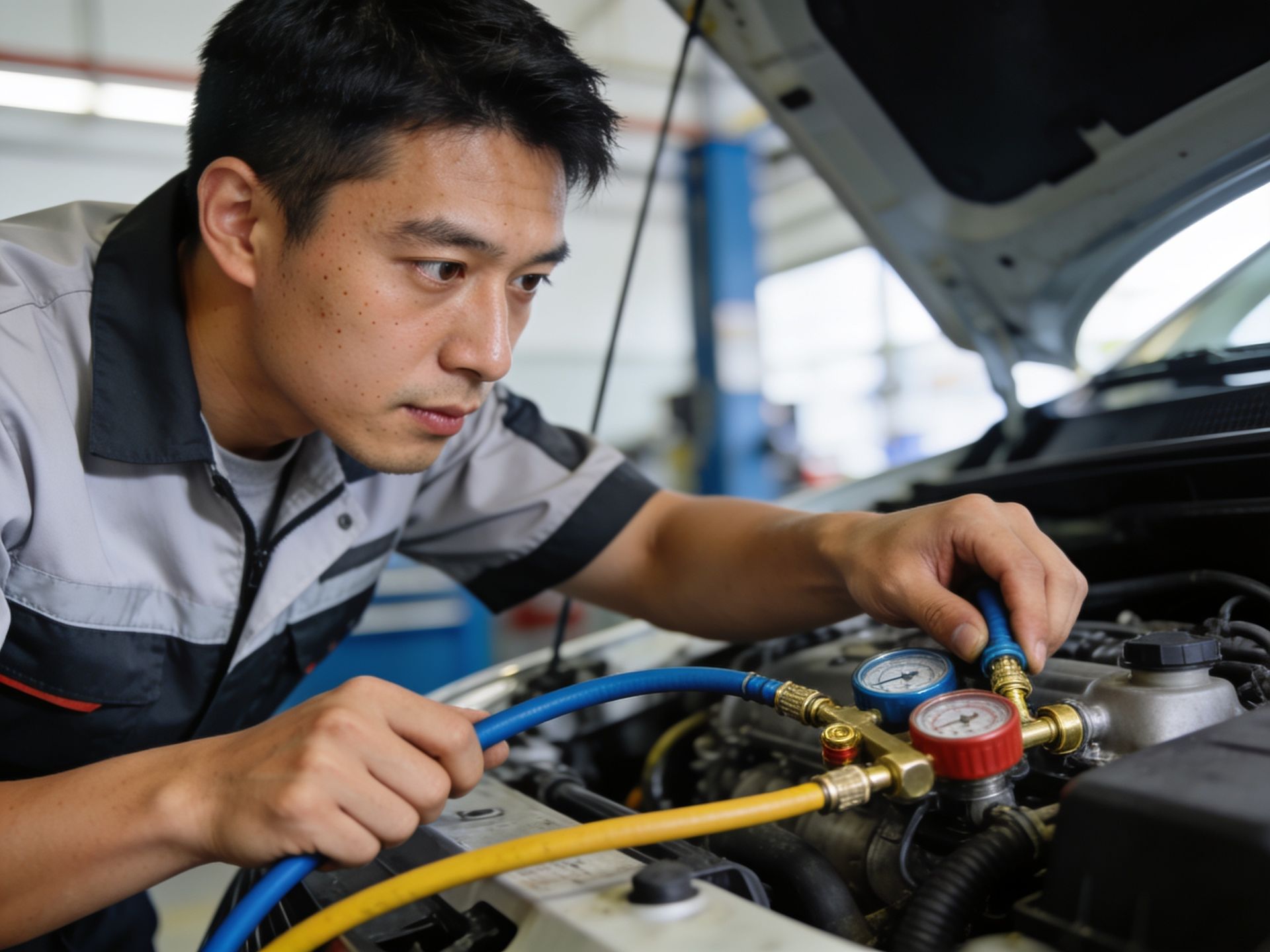
At Dunn Tire, our ASE-certified technicians inspect cooling systems every summer for drivers across Buffalo, Rochester, Syracuse, Niagara Falls, and beyond. We look before we recommend, explain what we find, and help you understand what needs attention now versus what can wait.
Whether you're searching for a cooling system check in Buffalo, coolant service in Rochester, or information about engine overheating in WNY, here's what every driver should know.
What Your Cooling System Actually Does
Your engine creates an incredible amount of heat every time you drive.
The cooling system keeps that heat under control by circulating coolant through the engine, where it absorbs excess heat before traveling to the radiator. The radiator releases that heat into the outside air, allowing the coolant to circulate back through the engine and repeat the process.
Several components work together to make that happen:
- Coolant absorbs and transfers heat.
- The radiator cools the heated coolant.
- The water pump keeps coolant moving through the system.
- The thermostat regulates engine temperature by controlling coolant flow.
- Hoses carry coolant between components.
- The radiator cap helps maintain the proper pressure inside the system.
When one part isn't doing its job, the entire system becomes less effective.
Why Summer Driving Is Harder on Your Cooling System
Around-town errands don't place nearly the same demands on your vehicle as a long highway drive.
Extended trips on I-90, weekends in the Finger Lakes, drives around Lake Erie, and stop-and-go traffic during hot afternoons all force your engine to work harder for longer periods.
Even in Western New York, where summers are milder than many parts of the country, sustained highway driving combined with warm temperatures puts extra stress on your cooling system.
Every August we see the same thing at Dunn Tire. Cars that ran perfectly all winter begin showing cooling system problems during the first stretch of consistently hot weather because no one thought to check the coolant or inspect aging components.
Warning Signs Your Cooling System Needs Attention
Cooling system problems often start small.
Knowing what to watch for can help you address an issue before your vehicle overheats.
Watch for:
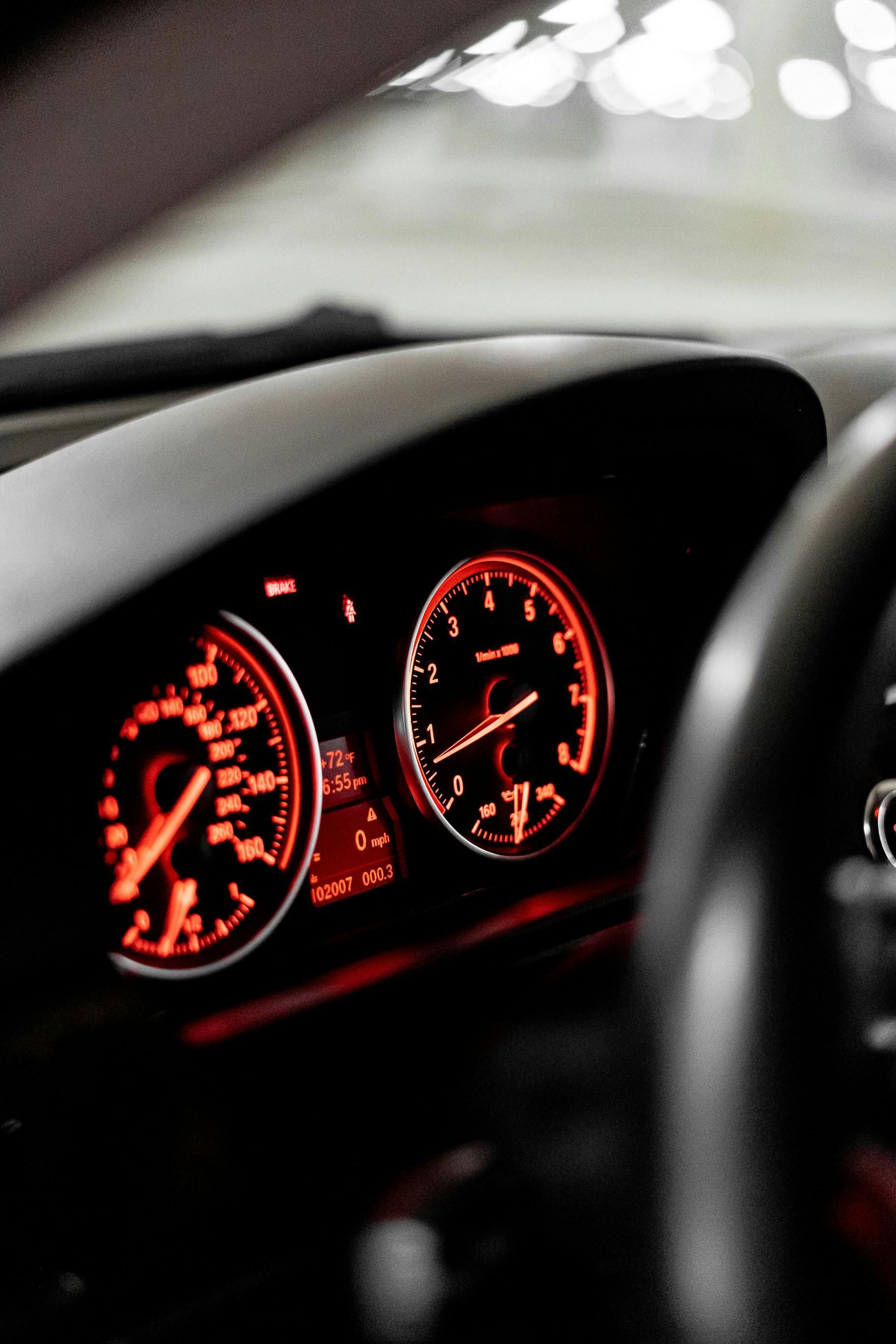
- A temperature gauge climbing higher than normal
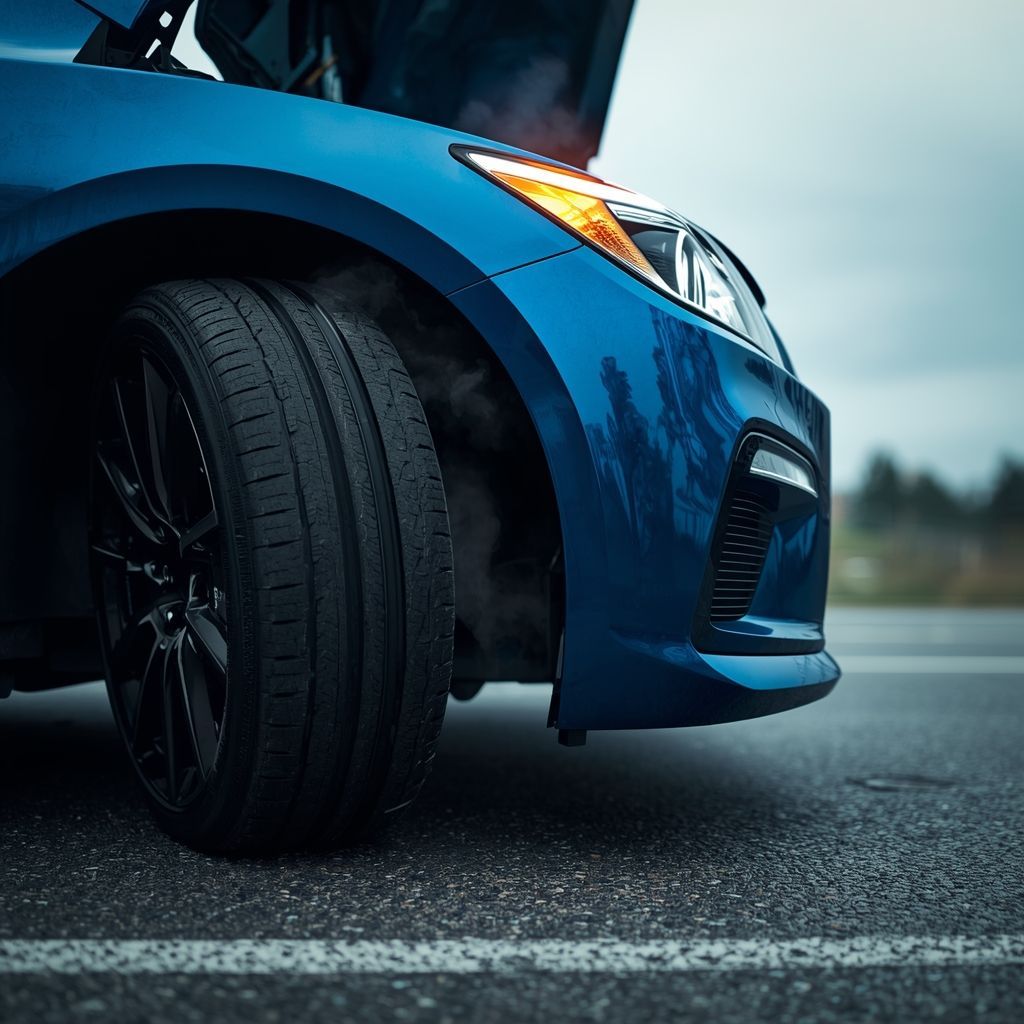
- Steam coming from under the hood
- A sweet smell coming from the engine compartment
- Bright green, orange, pink, or yellow coolant leaking beneath your vehicle
- Low coolant levels that keep dropping
- The heater suddenly blowing cool air when the engine is hot
If you notice any of these symptoms, it's a good idea to have your cooling system inspected as soon as possible.
How to Check Your Coolant Safely
Checking coolant is simple, but safety comes first.
Never remove the radiator cap while the engine is hot. The cooling system operates under pressure, and opening the cap on a hot engine can allow hot coolant or steam to escape.
Instead:
- Allow the engine to cool completely.
- Locate the coolant reservoir.
- Verify the coolant level falls between the minimum and maximum marks.
- Look at the coolant's condition.
Healthy coolant typically appears bright and clean.
If the coolant looks brown, rusty, cloudy, or contains visible debris, it may have broken down and could be due for service.
Coolant Doesn't Last Forever
Many drivers assume coolant never needs to be replaced.
Coolant gradually loses its ability to protect your engine from corrosion, freezing, and overheating. Over time, the additives that help protect metal components become less effective.
Exactly when coolant should be replaced depends on your vehicle and the type of coolant it uses. Your owner's manual provides the recommended maintenance schedule, and manufacturers often specify replacement based on mileage or time.
Sometimes a simple top-off is all that's needed.
Other times, a complete coolant flush is the better option because the existing coolant has deteriorated or become contaminated.
At Dunn Tire, we'll inspect the system first and recommend only the service your vehicle needs.
Don't Overlook the Small Parts
Some of the most common roadside breakdowns begin with inexpensive components.
Take a close look at your cooling system hoses. If they appear cracked, swollen, brittle, or soft, they may be nearing the end of their service life.
The radiator cap also plays an important role by helping maintain the proper pressure inside the cooling system. A worn or damaged cap may allow coolant to escape or reduce the system's ability to maintain the correct operating pressure.
Small parts like these are often much less expensive to replace than the damage an overheating engine can cause.
What to Do If Your Engine Starts Overheating
An overheating engine should never be ignored.
If your temperature gauge suddenly climbs into the hot range while driving:
- Turn off the air conditioning.
- If it's safe to do so, turn the heater on to help draw heat away from the engine.
- Pull over as soon as you can safely.
- Turn the engine off if the temperature continues to rise.
- Allow the engine to cool completely.
- Never remove the radiator cap while the engine is still hot.
If you're unsure whether it's safe to continue driving, it's better to have your vehicle inspected than risk serious engine damage.
Planning a Road Trip? Check Your Cooling System First
A quick cooling system inspection before a road trip can help identify potential problems before you're hundreds of miles from home.
Our technicians inspect:
- Coolant level
- Coolant condition
- Hoses
- Radiator
- Water pump area
- Radiator cap
- Visible leaks
These checks take far less time than dealing with a roadside breakdown and can provide peace of mind before a long drive.
Three Different Summers, One Cooling System
Cooling systems face different challenges depending on where you're driving.
Western New York
Summer temperatures may be moderate compared to other parts of the country, but long Thruway drives, traffic delays, and weekend trips throughout the region still put plenty of stress on your cooling system.
Phoenix
Drivers heading to or living in the Phoenix area face some of the harshest operating conditions in the country.
Summer pavement temperatures can exceed 150 degrees, and prolonged desert heat pushes every cooling system to its limits. A marginal cooling system that survives a Western New York summer may struggle in those extreme conditions.
Chesterfield, Virginia
Drivers along the I-64 corridor face a different challenge.
High humidity, frequent stop-and-go traffic, and extended periods of warm weather create conditions where cooling systems work continuously, especially during slower commutes.
No matter where you're headed, a healthy cooling system helps your vehicle handle the heat with confidence.
Why Drivers Across Western NY Trust Dunn Tire
Whether you need a cooling system check in Buffalo, coolant service in Rochester, or help diagnosing engine overheating in WNY, Dunn Tire starts with an inspection, not assumptions.
Our ASE-certified technicians explain what they find, recommend only the services your vehicle needs, and give you the information you need to make an informed decision.
With more than 24 locations across Buffalo, Rochester, Syracuse, Niagara Falls, and surrounding communities, plus convenient Monday through Saturday hours, getting your cooling system checked before your next trip is easy.
Stay Ahead of Overheating
Cooling system problems rarely improve on their own.
If your coolant hasn't been checked recently, your temperature gauge has been climbing, or you're planning one last road trip before summer ends, now is the perfect time for a cooling system inspection.
Stop by any Dunn Tire location for a cooling system check, schedule coolant service, or have our ASE-certified technicians inspect your vehicle before your next drive. We'll show you what we find, explain your options, and help you stay on the road with confidence.